SECTION 1. IDENTIFICATION
Product Name: Cadmium Selenide Hollow Nanospheres
Product Number: All applicable American Elements product codes, e.g. CD-SE-02-HNSP
, CD-SE-03-HNSP
, CD-SE-04-HNSP
, CD-SE-05-HNSP
CAS #: 1306-24-7
Relevant identified uses of the substance: Scientific research and development
Supplier details:
American Elements
10884 Weyburn Ave.
Los Angeles, CA 90024
Tel: +1 310-208-0551
Fax: +1 310-208-0351
Emergency telephone number:
Domestic, North America: +1 800-424-9300
International: +1 703-527-3887
SECTION 2. HAZARDS IDENTIFICATION
GHS Classification in accordance with 29 CFR 1910 (OSHA HCS)
Flammable liquids (Category 2), H225
Skin irritation (Category 2), H315
Acute toxicity, Oral (Category 4), H302
Germ cell mutagenicity (Category 2), H341
Carcinogenicity (Category 1B), H350
Reproductive toxicity (Category 2), H361
Specific target organ toxicity -repeated exposure (Category 1), H372
Acute aquatic toxicity (Category 1), H400
Chronic aquatic toxicity (Category 1), H410
Specific target organ toxicity -single exposure (Category 3), Central nervous system, H336
Specific target organ toxicity -repeated exposure (Category 2), H373
Aspiration hazard (Category 1), H304
Acute aquatic toxicity (Category 2), H401
Signal Word: Danger
Hazardous Statements
H225
Highly flammable liquid and vapor.
H302
Harmful if swallowed.
H304
May be fatal if swallowed and enters airways.
H315
Causes skin irritation. H336 May cause drowsiness or dizziness.
H341
Suspected of causing genetic defects.
H350
May cause cancer.
H361
Suspected of damaging fertility or the unborn child.
H372
Causes damage to organs through prolonged or repeated exposure.
H373
May cause damage to organs (Gastro-intestinal system, Liver, Immune) through prolonged or repeated exposure.
H373
May cause damage to organs (Kidney, Bone) through prolonged or repeated exposure if swallowed.
H410
Very toxic to aquatic life with long lasting effects.
Precautionary Statements
P201
Obtain special instructions before use.
P202
Do not handle until all safety precautions have been read and understood.
P233
Keep container tightly closed.
P240
Ground/bond container and receiving equipment.
P241
Use explosion-proof electrical/ ventilating/ lighting/ equipment.
P242
Use only non-sparking tools. P243 Take precautionary measures against static discharge
P260
Do not breathe dust/ fume/ gas/ mist/ vapors/ spray.
P264
Wash skin thoroughly after handling.
P270
Do not eat, drink or smoke when using this product.
P271
Use only outdoors or in a well-ventilated area.
P273
Avoid release to the environment.
P280
Wear protective gloves/ protective clothing/ eye protection/ face protection.
P301 + P312 + P330
IF SWALLOWED: Call a POISON CENTER or doctor/ physician if you feel unwell.
Rinse mouth.
P303 + P361 + P353
IF ON SKIN (or hair): Take off immediately all contaminated clothing. Rinse skin with water/shower.
P304 + P340 + P312
IF INHALED: Remove person to fresh air and keep comfortable for breathing. Call a
POISON CENTER or doctor/ physician if you feel unwell.
P308 + P313
IF exposed or concerned: Get medical advice/ attention.
P331
Do NOT induce vomiting.
P332 + P313
If skin irritation occurs: Get medical advice/ attention.
P362
Take off contaminated clothing and wash before reuse.
P370 + P378
In case of fire: Use dry sand, dry chemical or alcohol-resistant foam to extinguish.
P403 + P233
Store in a well-ventilated place. Keep container tightly closed.
P403 + P235
Store in a well-ventilated place. Keep cool.
P391
Collect spillage.
P405
Store locked up.
P501
Dispose of contents/ container to an approved waste disposal plant.
Hazards not otherwise classified (HNOC) or not covered by GHS -- none
SECTION 3. COMPOSITION/INFORMATION ON INGREDIENTS
CAS No.: 1306-24-7
Chemical Name: Cadmium Selenide Nanocrystals
Chemical Formula: CdSe
Substance Name
CdSe
Toluene
Octadecylamine
CAS #
1306-24-7
108-88-3
124-30-1
Percentage of Whole (by weight)
3.0%
97%
< 0.01%
SECTION 4. FIRST AID MEASURES
Eye:
1. Flush immediately with warm water for at least 20 minutes
2. Ensure complete irrigation of the eye by keeping eyelids apart and away from eye and moving the eyelids by occasionally lifting the upper and lower lids
3. If pain persists or recurs seek medical attention
4. Removal of contact lenses after an eye injury should only be undertaken by skilled personnel
Skin:
1. Removing contaminated clothing, shoes and leathery wearings
2. Washing affected area thoroughly with soap and water for at least 20 minutes
3. Call a physician if irritation develops or persists
Ingestion:
1. If spontaneous vomiting appears imminent or occurs, hold patient’s head down, lower than their hips to help avoid possible aspiration of vomits
2. If victim is conscious and alert, give 2-4 cupfuls of milk/water to dilute the substance in the stomach
3. Never give anything by mouth to an unconscious person
4. Don’t induce vomiting unless directed to by a medical person
5. If vomiting occurs, lean patient forward or place on left side (head-down position, if possible, prior to initiating first aid procedures
6. Seek medical attention
Inhalation
1. Remove from further exposure and flush thoroughly with air
2. Lay patient down. Keep warm and rested
3. Prosthesis such as false teeth, which may block airway, should be removed, where possible, prior to initiating first aid procedures
4. If respiratory irritation seek immediate medical assistance and call a physician
SECTION 5. FIREFIGHTING MEASURES
Suitable extinguishing media: Foam, CO2, dry chemical
Special Hazards:
1. Liquid and vapor are highly flammable
2. Severe fire hazard when exposed to heat, flame and/or oxidizers
3. Vapor may travel a considerable distance to source of ignition
4. Heating may cause expansion and or decomposition leading to violent rupture of containers
Protective equipment:
Wear self-contained respirator if necessary. Wear protective gloves.
SECTION 6. ACCIDENTAL RELEASE MEASURES
Person-related safety precautions:
Wear protective equipment. Keep unprotected persons away. Ensure adequate ventilation
Measures for environmental protection:
Do not allow material to be released to the environment without official permits.
Measures for cleaning/collecting:
1. Remove all ignition sources
2. Clean up all spills immediately
3. Avoid breathing vapors and contact with skin and eyes
4. Control personal contact by using protective equipment
5. Contain and absorb small quantities with vermiculite or other absorbent material
6. Wipe up
7. Collect residues in a flammable waste container
SECTION 7. HANDLING AND STORAGE
Precautions for safe handling:
1. Keep container tightly sealed. Store at room
temperature or in refrigerator (10-20 ºC) under dark conditions.
2. Wash thoroughly after handling
3. Use only in well ventilated area
4. Ground and bond containers when transferring
5. Use spark free tools and explosion proof equipment
Conditions for safe storage, including any in compatibilities
1. Keep container tightly sealed. Store at room temperature or in refrigerator (10-20 ºC) under dark conditions.
2. Do not store with acids or oxidizers
SECTION 8. EXPOSURE CONTROLS/PERSONAL PROTECTION
Exposure Limits Cadmium Sulfide:
TWA:
0.01 (ppm) Consult local authorities for acceptable exposure limits.
Exposure for Toluene solvent
OSHA – Final PELs: 200ppm TWA
OSHA Ceiling: 300ppm
ACGIH: 50ppm, skin - potential for cutaneous absorption
NIOSH: 100ppm TWA: 375 mg/m3 TWA; 550ppm IDLH
Additional information about design of technical systems:
Properly operating chemical fume hood designed for hazardous chemicals and having an average face velocity of at least 100 feet per minute.
General protective and hygienic measures:
The usual precautionary measures for handling chemicals should be followed. Keep away from foodstuffs, beverages, and feed. Remove all soiled and contaminated clothing immediately. Wash hands before breaks and at the end of work.
Avoid contact with the eyes and skin.
Breathing equipment:
Use suitable respirator when high concentrations are present.
Protection of hands:
Impervious gloves - check gloves using UV light after use to determine level of contamination.
Eye protection: Safety glasses
Body protection: Protective work clothing.
SECTION 9. PHYSICAL AND CHEMICAL PROPERTIES
Form: Liquid form – Crystalline powder, dissolved in a solvent
Color: Clear/Yellow – Red/Brown
Odor: Odor dependent upon solvent used. Crystalline powder is odorless
Melting point/range: ~400°C to bulk melting point of CdSe crystals. The solvent is liquid and melting point depends on the chemical composition of the solvent.
Boiling point/range: Determined by solvent used
Sublimation temperature / start: approx. 1150 °C
Flash point: Dependent upon solvent used
Ignition temperature: Dependent upon solvent used
Decomposition temperature: No data available.
Danger of explosion: Dependent upon solvent used. Crystalline powder does not present an explosion hazard.
Explosion limits: Currently unknown for nanocrystals
Vapor pressure: Dependent upon solvent used
Density: 5.81 g/cm3 (crystal at 20 °C) for the nanocrystal powder if isolated
Solubility in / Miscibility with Polar Solvents: Soluble when hydrophilic ligands are present
Solubility in / Miscibility with Non-Polar Solvents: Soluble when hydrophobic ligands are present
SECTION 10. STABILITY AND REACTIVITY
Reactivity:
Vapor is explosive when exposed to heat or flame
Stability:
Stable at room temperature in closed containers under normal storage and handling conditions
Incompatible materials:
Heat, flame, strong oxidizers, nitric and sulfuric acids, chlorine, nitrogen tetraoxide; will attack some forms of plastics, rubber, and coatings
Hazardous decomposition products:
Carbon monoxide, carbon dioxide, hydrocarbons
Thermal decomposition / conditions to be avoided:
No data available., but temperature increases will affect the solvent used.
Be aware of the necessary warnings for the specific solvent used.
SECTION 11. TOXICOLOGICAL INFORMATION
Skin: Irritant to skin and mucous membranes.
Eye: Irritating effect.
Sensitization: No sensitizing effects known.
Additional toxicological information:
Danger through skin absorption.
To the best of our knowledge the acute and chronic toxicity of this substance is not fully known.
Target Organs: Lungs, Liver, Kidneys
EPA-B1:
Probable human carcinogen, limited evidence of carcinogenicity from epidemiologic studies.
IARC-1:
Carcinogenic to humans: sufficient evidence of carcinogenicity.
NTP-2:
Reasonably anticipated to be a carcinogen: limited evidence from studies in humans or sufficient evidence from studies in experimental animals. Carcinogen as defined by OSHA.
ACGIH A2:
Suspected human carcinogen: Agent is carcinogenic in experimental animals at dose levels, by route(s) of administration, at site(s), of histologic type(s), or by mechanism(s) considered relevant to worker exposure.
Available epidemiologic studies are conflicting or insufficient to confirm an increased risk of cancer in exposed humans.
Reproductive toxicity:
Damage to fetus possible Suspected human reproductive toxicant.
Reproductive toxicity - Rat - Inhalation Paternal Effects: Spermatogenesis (including genetic material, sperm morphology, motility, and count). Experiments have shown reproductive toxicity effects in male and female laboratory animals.
Developmental Toxicity:
Rat - Oral Effects on Embryo or Fetus: Fetotoxicity (except death, e.g., stunted fetus)
WARNING: Many of the toxic effects of CdSe nanocrystals are still being researched and are currently unknown at this point. Use at own risk.
SECTION 12. ECOLOGICAL INFORMATION
Do not allow material to be released to the environment without official permits.
SECTION 13. DISPOSAL CONSIDERATIONS
Consult local or national regulations for proper disposal.
SECTION 14. TRANSPORT INFORMATION
U.S. DOT 49 CFR 172.101
ID Number: UN1294
Hazard class: 3
Packing Group: II
Labeling Requirements:
Flammable Liquid
Canadian Transportation of Dangerous Goods:
UN1294, Class 3
Land Transport ADR/RID:
UN1294, Class 3, Class Code F1, Pack group II
Air Transport IATA/ICAO:
UN1294, Class or Division 3, Pack group II
Exceptions:
49 CFR 173.4
ID Number: UN2570
Hazard class: 6
Packing Group: III
Labeling Requirements: Poison
Exceptions: 49 CFR 173.4
SECTION 15. REGULATORY INFORMATION
SARA 302 Components
No chemicals in this material are subject to the reporting requirements of SARA\Title III, Section 302.
SARA 313 Components
The following components are subject to reporting levels established by SARA Title III, Section 313:
Cadmium Selenide
CAS-No.1306-24-7
Revision Date 2007-01-07
Toluene
CAS-No. 108-88-3
Revision Date 2007-07-01
Massachusetts Right to Know Components
Toluene
CAS-No. 108-88-3
Revision Date 2007-07-01
Pennsylvania Right to Know Components
Cadmium Selenide
CAS-No.1306-24-7
Revision Date 2007-01-07
Toluene
CAS-No. 108-88-3
Revision Date 2007-07-01
New Jersey Right to Know Components
Cadmium Selenide
CAS-No.1306-24-7
Revision Date 2007-01-07
Toluene
CAS-No. 108-88-3
Revision Date 2007-07-01
California Prop. 65 Components
WARNING:
This product contains a chemical known to the State of California to cause cancer.
Toluene
CAS-No. 108-88-3
Revision Date 2007-07-01
WARNING:
This product contains a chemical known to the State of California to cause birth defects or other reproductive harm:
Toluene
CAS-No. 108-88-3
Revision Date 2007-07-01
SECTION 16. OTHER INFORMATION
Safety Data Sheet according to Regulation (EC) No. 1907/2006 (REACH). The above information is believed to be correct but does not purport to be all inclusive and shall be used only as a guide. The information in this document is based on the present state of our knowledge and is applicable to the product with regard to appropriate safety precautions. It does not represent any guarantee of the properties of the product. American Elements shall not be held liable for any damage resulting from handling or from contact with the above product. See reverse side of invoice or packing slip for additional terms and conditions of sale. COPYRIGHT 1997-2022 AMERICAN ELEMENTS. LICENSED GRANTED TO MAKE UNLIMITED PAPER COPIES FOR INTERNAL USE ONLY.


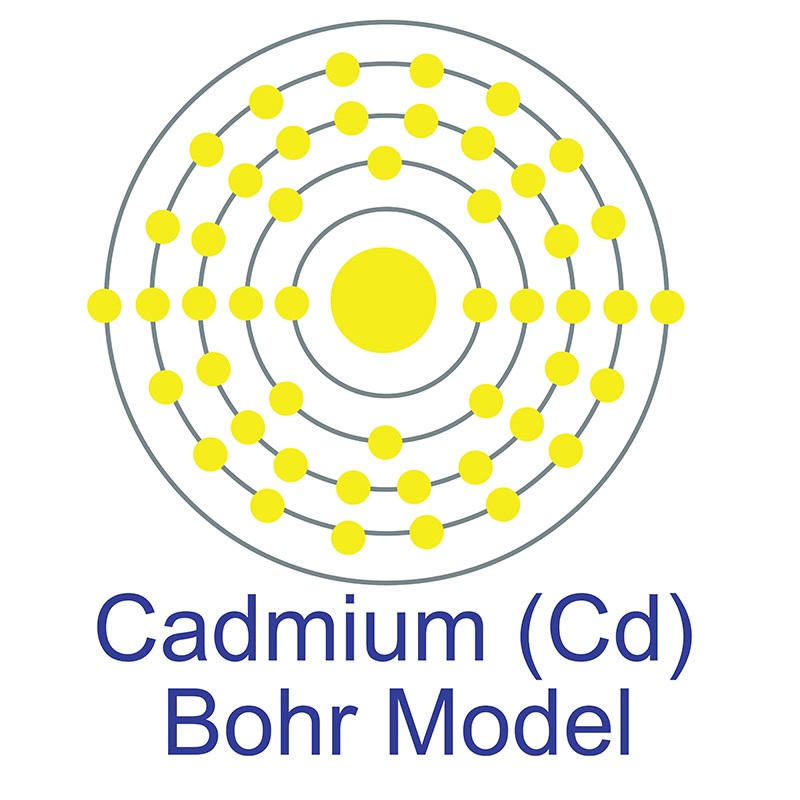 The number of electrons in each of Cadmium's shells is 2, 8, 18, 18, 2 and its electron configuration is [Kr]4d10 5s2. The cadmium atom has a radius of 151 pm and a Van der Waals radius of 230 pm. Cadmium was discovered and first isolated by Karl Samuel Leberecht Hermann and Friedrich Stromeyer in 1817. In its elemental form, cadmium has a silvery bluish gray metallic appearance. Cadmium makes up about 0.1 ppm of the earth's crust.
  No significant deposits of cadmium containing ores are known, however, it is sometimes found in its metallic form. It is a common impurity in
 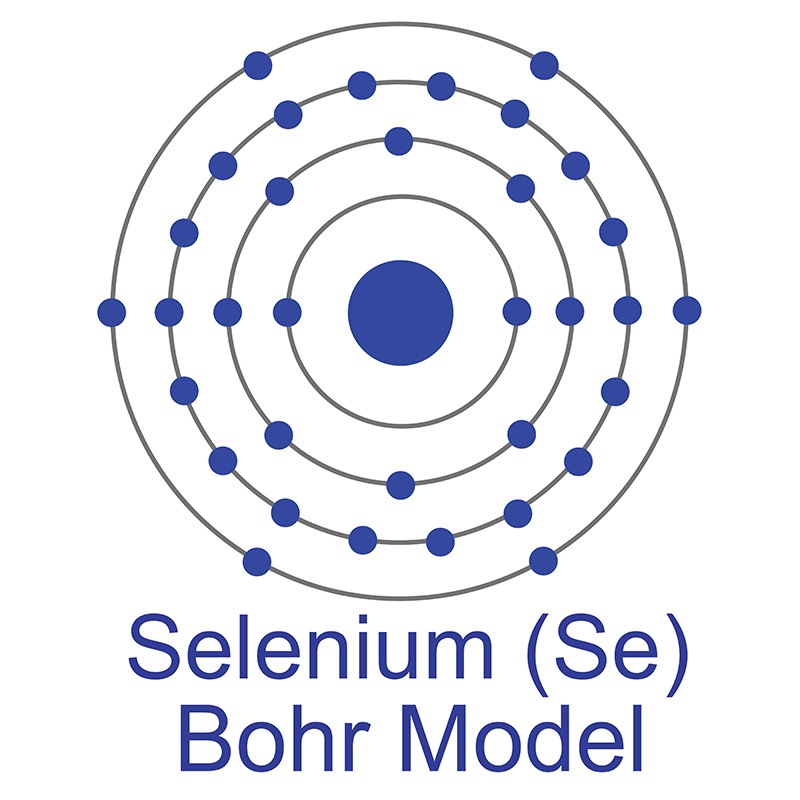 See more Selenium products.
 One of the most common uses for selenium is in