SECTION 1. IDENTIFICATION
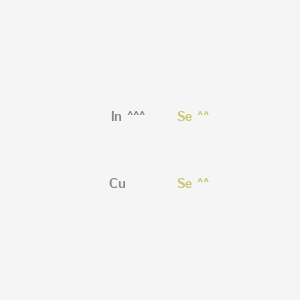
Product Name: Copper Indium Selenide Sputtering Target
Product Number: All applicable American Elements product codes, e.g. CU-INSE-04-ST
, CU-INSE-045-ST
, CU-INSE-05-ST
, CU-INSE-06-ST
CAS #: 12018-95-0
Relevant identified uses of the substance: Scientific research and development
Supplier details:
American Elements
10884 Weyburn Ave.
Los Angeles, CA 90024
Tel: +1 310-208-0551
Fax: +1 310-208-0351
Emergency telephone number:
Domestic, North America: +1 800-424-9300
International: +1 703-527-3887
SECTION 2. HAZARDS IDENTIFICATION
Hazard description:
T Toxic
N Dangerous for the environment
Information pertaining to particular dangers for man and environment
R 23/25 Toxic by inhalation and if swallowed.
R 33 Danger of cumulative effects.
R 50/53 Very toxic to aquatic organisms, may cause long-term adverse effects in the aquatic environment
Classification system
HMIS ratings (scale 0-4)
(Hazardous Materials Identification System)
HEALTH 3
FIRE 0
REACTIVITY 1
Health (acute effects) = 3
Flammability = 0
Reactivity = 1
SECTION 3. COMPOSITION/INFORMATION ON INGREDIENTS
Chemical characterization:
Description: (CAS#)
Copper Indium Selenide - 12018-95-0
SECTION 4. FIRST AID MEASURES
General information
Immediately remove any clothing soiled by the product. Remove breathing apparatus only after contaminated clothing has been completely removed. In case of irregular breathing or respiratory arrest provide artificial respiration.
If inhaled:
Supply patient with fresh air. If not breathing, provide artificial respiration. Keep patient warm. Seek immediate medical advice.
In case of skin contact:
Immediately wash with soap and water; rinse thoroughly. Seek immediate medical advice.
In case of eye contact:
Rinse opened eye for several minutes under running water. Consult a physician.
If swallowed:
Do not induce vomiting; immediately call for medical help. Seek immediate medical advice.
SECTION 5. FIREFIGHTING MEASURES
Suitable extinguishing agents
Product is not flammable. Use FIREFIGHTING MEASURES that suit the surrounding fire.
Special hazards caused by the material, its products of combustion or resulting gases:
In case of fire, the following can be released: Toxic metal oxide fume
Protective equipment: Wear self-contained respirator. Wear fully protective impervious suit.
SECTION 6. ACCIDENTAL RELEASE MEASURES
Person-related safety precautions:
Use personal protective equipment. Keep unprotected persons away. Ensure adequate ventilation
Measures for environmental protection:
Do not allow material to be released to the environment without official permits.
Measures for cleaning/collecting:
Dispose contaminated material as waste according to item 13. Ensure adequate ventilation.
Additional information:
See Section 7 for information on safe handling
See Section 8 for information on personal protection equipment.
See Section 13 for disposal information.
SECTION 7. HANDLING AND STORAGE
Handling
Information for safe handling:
Keep container tightly sealed.
Store in cool, dry place in tightly closed containers.
Ensure good ventilation at the workplace.
Open and handle container with care.
Information about protection against explosions and fires: The product is not flammable
Storage
Requirements to be met by storerooms and receptacles: No special requirements.
Information about storage in one common storage facility: Store away from water/moisture.
Do not store together with acids.
Further information about storage conditions: Keep container tightly sealed.
Store in cool, dry conditions in well-sealed containers. Protect from humidity and water.
SECTION 8. EXPOSURE CONTROLS/PERSONAL PROTECTION
Additional information about design of technical systems:
Properly operating chemical fume hood designed for hazardous chemicals and having an average face velocity of at least 100 feet per minute. Components with limit values that require monitoring at the workplace.
Selenium and selenium compounds (as Se)
mg/m3
ACGIH TLV 0.2
Austria MAK 0.1
Belgium TWA 0.2
Denmark TWA 0.1
Finland TWA 0.1; 0.3-STEL
Germany MAK 0.1
Hungary 0.1-STEL
Ireland TLV 0.1
Japan OEL 0.1
Korea TLV 0.2
Netherlands MAC-TGG 0.1
Poland TWA 0.1; 0.3-STEL
Sweden NGV 0.1
Switzerland MAK-W 0.1
United Kingdom TWA 0.1
USA PEL 0.2
Additional information: No data
Personal protective equipment
Follow typical protective and hygienic practices for handling chemicals.
Keep away from foodstuffs, beverages and feed.
Remove all soiled and contaminated clothing immediately.
Wash hands before breaks and at the end of work.
Store protective clothing separately.
Breathing equipment:
Use suitable respirator when high concentrations are present.
Protection of hands: Impervious gloves
Inspect gloves prior to use.
Material of gloves: The selection of suitable gloves not only depends on the material, but
also on quality. Quality will vary from manufacturer to manufacturer.
SECTION 9. PHYSICAL AND CHEMICAL PROPERTIES
General Information
Form: Solid
Color: Silvery
Odor: No data available
Melting point/Melting range: No data available
Boiling point/Boiling range: No data available
Sublimation temperature / start: No data available
Flash point: N/A
Ignition temperature: No data available
Decomposition temperature: No data available
Danger of explosion: Product does not present an explosion hazard.
Explosion limits:
Lower: No data available
Upper: No data available
Vapor pressure: No data available
Density No data available
Solubility in / Miscibility with
Water: Insoluble
SECTION 10. STABILITY AND REACTIVITY
Thermal decomposition / conditions to be avoided:
Decomposition will not occur if used and stored according to specifications.
Materials to be avoided: Water/moisture, Acids
Dangerous reactions No dangerous reactions known
Dangerous products of decomposition: Toxic metal oxide fume
SECTION 11. TOXICOLOGICAL INFORMATION
Carcinogenicity:
NTP? No
IARC Monographs? No
OSHA Regulated? No
LD 50/LC 50: No toxicity data recorded
SECTION 12. ECOLOGICAL INFORMATION
Ecotoxical effects:
Remark: Very toxic for fish
General notes:
Do not allow product to reach groundwater, water courses, or sewage systems, even in small quantities.
Danger to drinking water if even extremely small quantities leak into the ground.
Also poisonous for fish and plankton in water bodies.
Do not allow material to be released to the environment without official permits.
Very toxic for aquatic organisms
SECTION 13. DISPOSAL CONSIDERATIONS
Consult official regulations to ensure proper disposal.
Uncleaned packagings:
Recommendation: Disposal must be made according to official regulations.
Recommended cleansing agent: Water, if necessary with cleansing agents.
SECTION 14. TRANSPORT INFORMATION
Not a hazardous material for transport.
No IATA regulations.
SECTION 15. REGULATORY INFORMATION
Product related hazard informations:
Hazard symbols:
T Toxic
N Dangerous for the environment
Risk phrases:
23/25 Toxic by inhalation and if swallowed.
33 Danger of cumulative effects.
50/53 Very toxic to aquatic organisms, may cause long-term adverse effects in the aquatic environment
Safety phrases:
20/21 When using do not eat, drink or smoke.
28 After contact with skin, wash immediately with plenty of water
45 In case of accident or if you feel unwell, seek medical advice immediately.
60 This material and its container must be disposed of as hazardous waste.
61 Avoid release to the environment. Refer to special instructions/Safety data sheets
National regulations
All components of this product are listed in the U.S. Environmental
Protection Agency Toxic Substances Control Act Chemical substance
Inventory.
Information about limitation of use:
For use only by technically qualified individuals.
This product contains selenium and is subject to the reporting
requirements of section 313 of the Emergency Planning and Community Right to Know Act of 1986 and 40CFR372.
SECTION 16. OTHER INFORMATION
Safety Data Sheet according to Regulation (EC) No. 1907/2006 (REACH). The above information is believed to be correct but does not purport to be all inclusive and shall be used only as a guide. The information in this document is based on the present state of our knowledge and is applicable to the product with regard to appropriate safety precautions. It does not represent any guarantee of the properties of the product. American Elements shall not be held liable for any damage resulting from handling or from contact with the above product. See reverse side of invoice or packing slip for additional terms and conditions of sale. COPYRIGHT 1997-2022 AMERICAN ELEMENTS. LICENSED GRANTED TO MAKE UNLIMITED PAPER COPIES FOR INTERNAL USE ONLY.


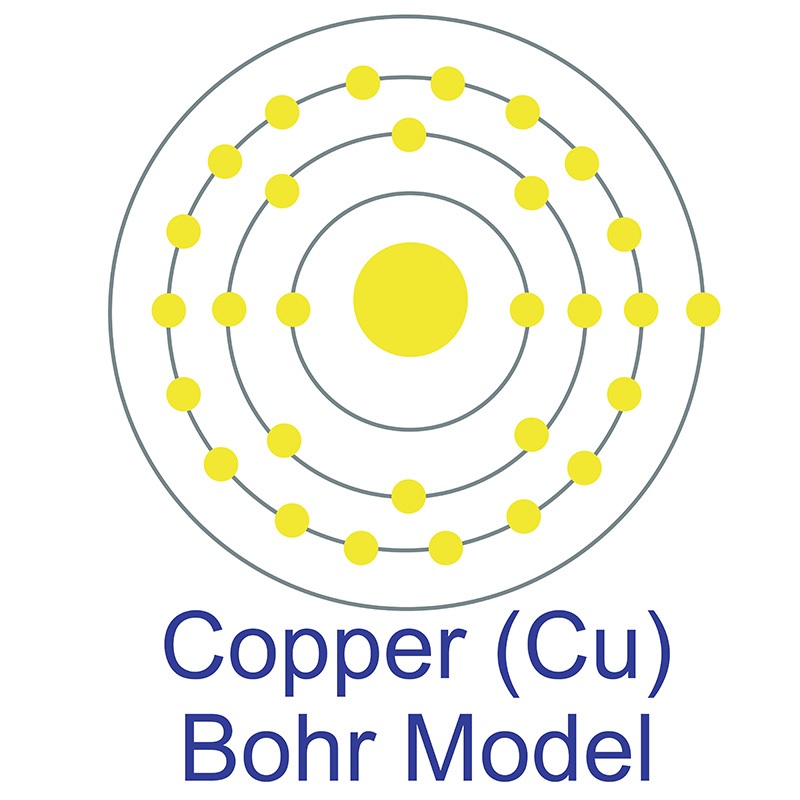 Copper (atomic symbol: Cu, atomic number: 29) is a Block D, Group 11, Period 4 element with an atomic weight of 63.546. The number of electrons in each of copper's shells is 2, 8, 18, 1 and its electron configuration is [Ar]3d10 4s1. The copper atom has a radius of 128 pm and a Van der Waals radius of 186 pm. Copper was first discovered by Early Man prior to 9000 BC. In its elemental form, copper has a reddish-orange metallic and lustrous appearance. Of all pure
  has a higher electrical conductivity. The origin of the word copper comes from the Latin word 'cuprium' which translates as "metal of Cyprus," as the Mediterranean island of Cyprus was known as an ancient source of mined copper..
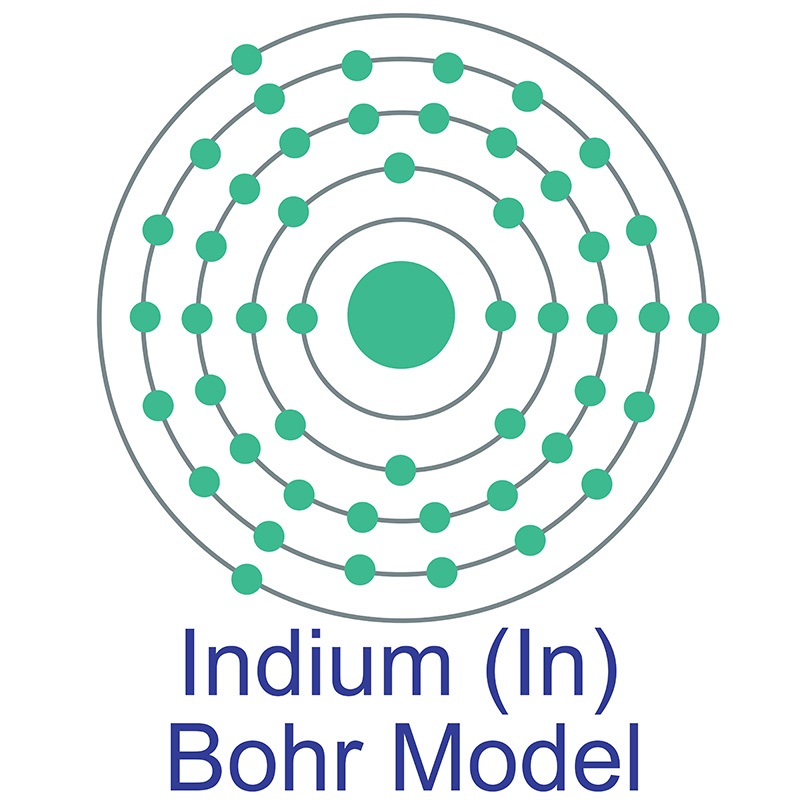 It is a relatively rare, extremely soft metal is a lustrous silvery gray and is both malleable and easily fusible. It has similar chemical properties to
  gallium such as a low melting point and the ability to wet glass. Fields such as optics and
 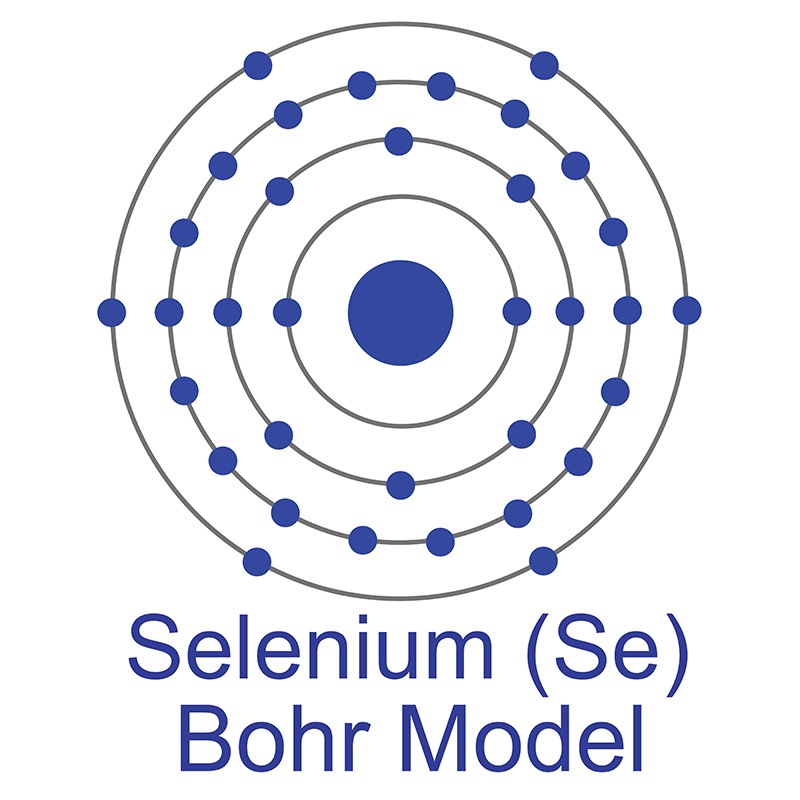 See more Selenium products.
 One of the most common uses for selenium is in