SECTION 1. IDENTIFICATION
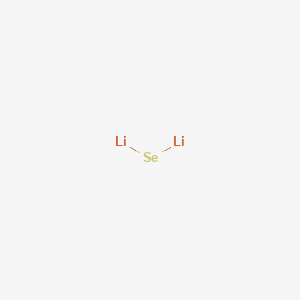
Product Name: Lithium Selenide
Product Number: All applicable American Elements product codes, e.g. LI-SE-05-I
, LI-SE-05-L
, LI-SE-05-P
, LI-SE-05-ST
CAS #: 12136-60-6
Relevant identified uses of the substance: Scientific research and development
Supplier details:
American Elements
10884 Weyburn Ave.
Los Angeles, CA 90024
Tel: +1 310-208-0551
Fax: +1 310-208-0351
Emergency telephone number:
Domestic, North America: +1 800-424-9300
International: +1 703-527-3887
SECTION 2. HAZARDS IDENTIFICATION
Signal Word: Danger
Hazard Statements: H261 In contact with water releases flammable gases
H301 + H331 Toxic if swallowed or if inhaled
H373 May cause damage to organs through prolonged or repeated exposure
H410 Very toxic to aquatic life with long lasting effects
Precautionary Statements: P223 Keep away from any possible contact with water, because of violent reaction and possible flash fire.
P231 + P232 Handle under inert gas. Protect from moisture
P260 Do not breathe dust/ fume/ gas/ mist/ vapours/ spray.
P264 Wash skin thoroughly after handling.
P270 Do not eat, drink or smoke when using this product.
P271 Use only outdoors or in a well-ventilated area.
P273 Avoid release to the environment
P280 Wear protective gloves/ protective clothing/ eye protection/ face
protection
P301 + P310 IF SWALLOWED: Immediately call a POISON CENTER/doctor
P304 + P340 IF INHALED: Remove victim to fresh air and keep at rest in a position comfortable for breathing
P314 Get medical advice/ attention if you feel unwell
SECTION 3. COMPOSITION/INFORMATION ON INGREDIENTS
Chemical Family: Ceramic
Additional Names: Dilithium Selenide, Lithium selenidolithium
Lithium Selenide (Li2Se):
Percentage: 100 wt%
CAS #: 12136-60-6
EC #: 235-230-2
SECTION 4. FIRST AID MEASURES
General Treatment: Seek medical attention if symptoms persist.
Special Treatment: None
Important Symptoms: None
Inhalation: Remove victim to fresh air. Supply oxygen if breathing is difficult.
Ingestion: Never induce vomiting or give anything by mouth to an unconscious person.
Skin: Wash affected area with mild soap and water. Remove any contaminated clothing. Seek immediate medical attention.
Eyes: Flush eyes with water, blinking often for several minutes. Remove contact lenses if present and easy to do. Continue rinsing
SECTION 5. FIREFIGHTING MEASURES
Flammability: Flammable in contact with water
Extinguishing Media: Do not use water – use CO2, sand, extinguishing powder.
Spec. Fire Fighting Procedure: Use full-face, self-contained breathing apparatus with full protective clothing to prevent contact with skin and eyes. See section 10 for decomposition products.
SECTION 6. ACCIDENTAL RELEASE MEASURES
If Material Is Released/Spilled: Wear appropriate respiratory and protective equipment specified in special protection information. Isolate spill area and provide ventilation. Vacuum up spill using a high efficiency particulate absolute (HEPA) air filter and place in a closed container for disposal. Take care not to raise dust.
Environmental Precautions: Isolate runoff to prevent environmental pollution.
SECTION 7. HANDLING AND STORAGE
Handling Conditions: Wash thoroughly after handling.
Storage Conditions: Store in a cool dry place in a tightly sealed container. Store apart from materials and conditions listed in section 10.
Work/Hygienic Maintenance: Do not use tobacco or food in work area. Wash thoroughly before eating and smoking. Do not blow dust off clothing or skin with compressed air.
Ventilation: Provide sufficient ventilation to maintain concentration at or below threshold limit.
SECTION 8. EXPOSURE CONTROLS/PERSONAL PROTECTION
Permissible Exposure Limits: 0.2 mg/m3 as Li2Se, long-term value
Threshold Limit Value: 0.2 mg/m3 as Li2Se, long-term value
Special Equipment: None
Respiratory Protection: Use a respirator with type P100 (USA) or P3 (EN143) cartridges as a backup to engineering controls. Risk assessment should be performed to determine if air-purifying respirators are appropriate. Only use equipment tested and approved under appropriate government standards.
Protective Gloves: Rubber gloves
Eye Protection: Safety glasses or goggles, Full face protection
Body Protection: Protective work clothing. Wear close-toed shoes and long sleeves/pants.
SECTION 9. PHYSICAL AND CHEMICAL PROPERTIES
Color Brown
Form: Powder, Granules, Pellets, Sputtering target, Custom parts
Odor: N/A
Water Solubility: N/A
Boiling Point: N/A
Melting Point: N/A
Flash Point: N/A
Autoignition Temperature: N/A
Density: N/A
Molecular weight: 92.842 g/mol
SECTION 10. STABILITY AND REACTIVITY
Stability: Stable under recommended storage conditions
Reacts With: Water, Oxidizing agents
Incompatible Conditions: Moisture
Hazardous Decomposition Products: Metal oxide fume
SECTION 11. TOXICOLOGICAL INFORMATION
Potential Health Effects:
Eyes: Causes irritation
Skin: Causes irritation
Ingestion: Toxic
Inhalation: Toxic
Chronic: May cause damage to organs through prolonged or repeated exposure
Signs & Symptoms: N/A
Aggravated Medical Conditions: N/A
Median Lethal Dose: N/A
Carcinogen: N/A
SECTION 12. ECOLOGICAL INFORMATION
Aquatic Toxicity: High
Persistent Bioaccumulation Toxicity: No
Very Persistent, Very Bioaccumulative: No
Notes: Very toxic for aquatic organism.
May cause long lasting harmful effect on aquatic life.
Do not allow material to be released to the environment without proper governmental permits.
Do not allow product to reach any water sources.
Danger to drinking water if even extremely small quantities leak into the ground.
Also poisonous for fish and plankton in water bodies.
Do not allow undiluted product or large quantities to reach ground water, water course or sewage system.
Avoid transfer into the environment.
Toxic to aquatic life.
SECTION 13. DISPOSAL CONSIDERATIONS
Dispose of in accordance with local, state, national, and international regulations.
SECTION 14. TRANSPORT INFORMATION
Hazard Class: 4.3 Substances which, in contact with water, emit flammable gases
Secondary Class: 6.1 Toxic substances
Packing Group: PG II
UN Number: UN3134
Proper Shipping Name: Water-reactive solid, toxic, n.o.s. (Lithium Selenide)
SECTION 15. REGULATORY INFORMATION
Sec 302 Extremely Hazardous: No
Sec 304 Reportable Quantities: N/A
Sec 313 Toxic Chemicals: Yes
SECTION 16. OTHER INFORMATION
Safety Data Sheet according to Regulation (EC) No. 1907/2006 (REACH). The above information is believed to be correct but does not purport to be all inclusive and shall be used only as a guide. The information in this document is based on the present state of our knowledge and is applicable to the product with regard to appropriate safety precautions. It does not represent any guarantee of the properties of the product. American Elements shall not be held liable for any damage resulting from handling or from contact with the above product. See reverse side of invoice or packing slip for additional terms and conditions of sale. COPYRIGHT 1997-2022 AMERICAN ELEMENTS. LICENSED GRANTED TO MAKE UNLIMITED PAPER COPIES FOR INTERNAL USE ONLY.


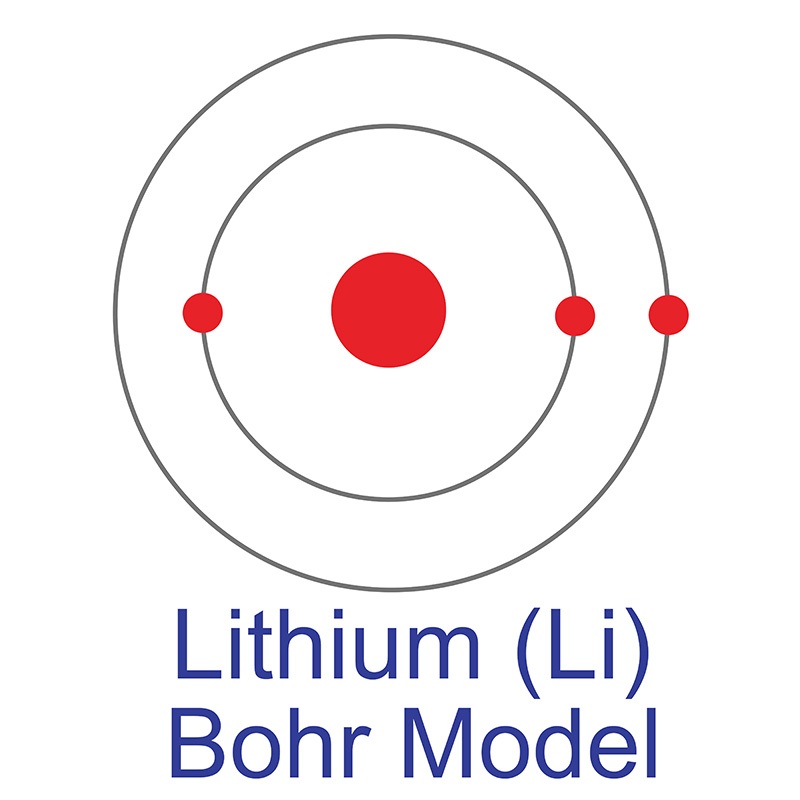 See more Lithium products.
 Compared to other metals, it has one of the lowest boiling points. In its elemental form, lithium is soft enough to cut with a knife its silvery white appearance quickly darkens when exposed to air. Because of its high reactivity, elemental lithium does not occur in nature. Lithium is the key component of
 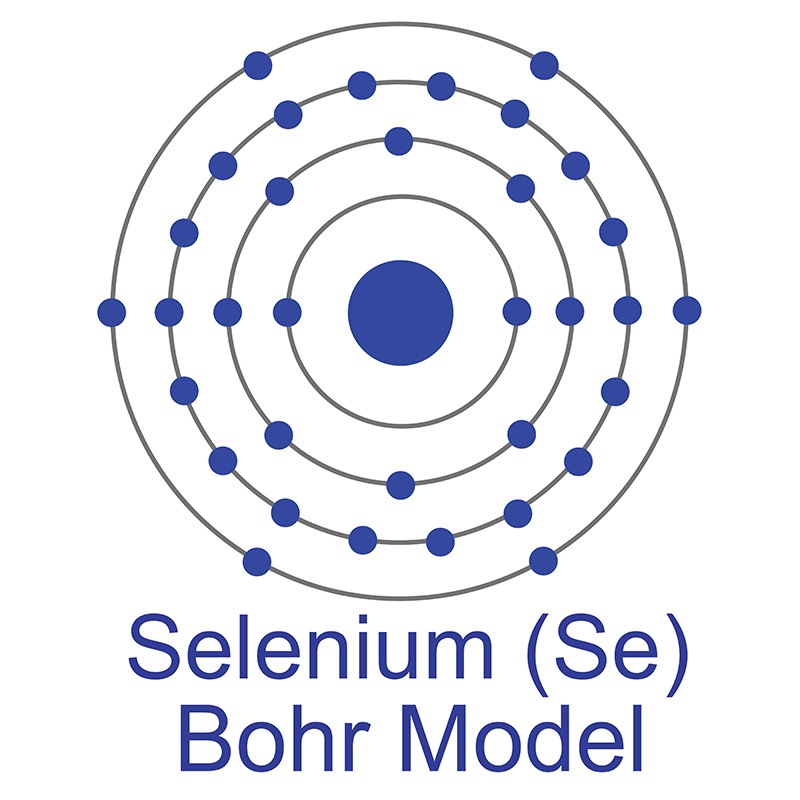 See more Selenium products.
 One of the most common uses for selenium is in