American Elements Logo and U.S. Registered Trademark
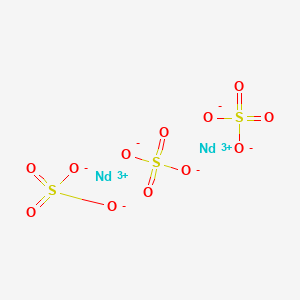
Neodymium Sulfate
Nd2(SO4)3.8H2O
Product
Product Code
Order or Specifications
99% Neodymium Sulfate
ND-S-01
Contact American Elements
99.9% Neodymium Sulfate
ND-S-03
Contact American Elements
99.99% Neodymium Sulfate
ND-S-04
Contact American Elements
99.999% Neodymium Sulfate
ND-S-05
Contact American Elements
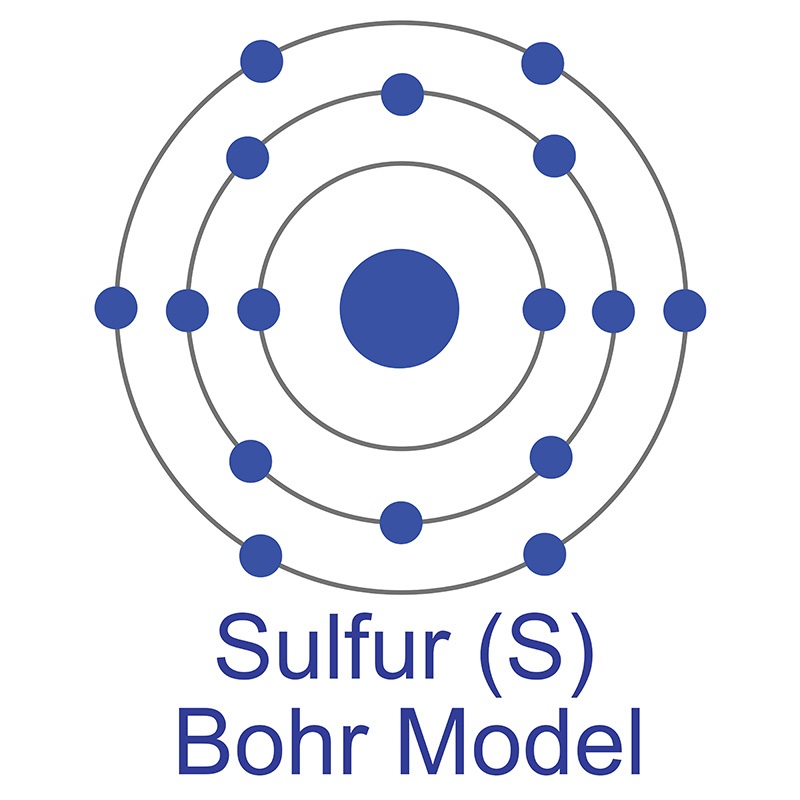
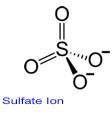
Neodymium Sulfate is a moderately water and acid soluble neodymium source for uses compatible with sulfates. Sulfate compounds are salts or esters of sulfuric acid formed by replacing one or both of the hydrogens with a metal. Most metal sulfate compounds are readily soluble in water for uses such as water treatment, unlike fluorides and oxides which tend to be insoluble. Organometallic forms are soluble in organic solutions and sometimes in both aqueous and organic solutions. Metallic ions can also be dispersed utilizing suspended or coated nanoparticles (See also application discussion at Nanotechnology Information and at Quantum Dots) and deposited utilizing sputtering targets and evaporation materials for uses such as solar energy materials and fuel cells. NdSO4 is generally immediately available in most volumes. Ultra high purity, high purity, submicron and nanopowder forms may be considered. Primary applications include lasers, glass coloring and tinting, and dielectrics. We also produce Neodymium Sulfate Solution. Additional technical, research and safety (MSDS) information is available as is a Reference Calculator for converting relevant units of measurement.

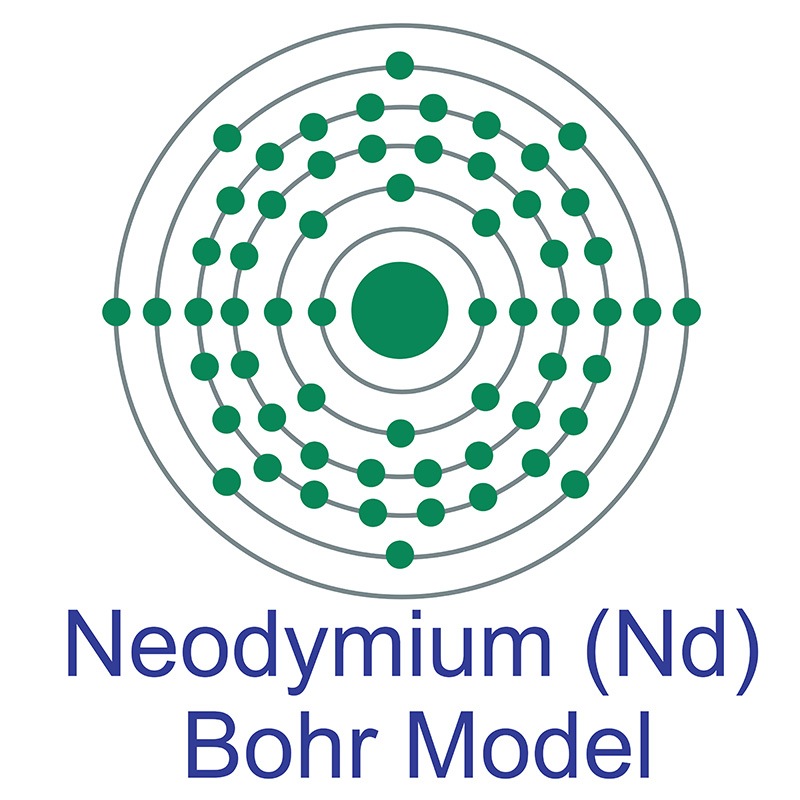
Neodymium is a Block F, Group 3, Period 6 element. The electronic configuration is [Xe]4f46s2. In its elemental form neodymium's CAS number is 7440-00-8. The neodymium atom has a radius of 181.4.pm and it's Van der Waals radius is 181.pm. Neodymium is the most abundant of the rare earths after cerium and lanthanum. Neodymium is available as metal and compounds with purities from 99% to 99.999% (ACS grade to ultra-high purity); metals in the form of foil, sputtering target, and rod, and compounds as submicron and nanopowder. Primary applications include lasers, glass coloring and tinting, dielectrics and, most importantly, as the fundamental basis for neodymium-iron-boron permanent magnets. Neodymium has a strong absorption band centered at 580 nm, which is very close to the human eye's maximum level of sensitivity making it useful in protective lenses for welding goggles. It is also used in CRT displays to enhance contrast between reds and greens and highly valued in glass manufacturing for its attractive purple coloring. Neodymium is included in many formulations of barium titanate, used as dielectric coatings and in multi-layer capacitors essential to electronic equipment.

Formula CAS No. Appearance Molecular Weight Density Melting Point Boiling Point Solubility Stability
Nd2(SO4)3.8H2O
13477-91-3 Light purple 576.66       Soluble in water, moderately soluble in strong mineral acids Highly hygroscopic
PRODUCT CATALOG Neodymium Research, Properties, & Information Submicron & Nanopowder Tolling Ultra High Purity Sputtering Target Crystal Growth Rod, Plate, Powder, etc. MSDS
 
 
Periodic table of the elements science and academic information, elements and advanced materials data, scientific presentations and all pages, designs, concepts, logos, and color schemes herein are the copyrighted proprietary rights and intellectual property of American Elements. American Elements is a U.S. Registered Trademark. © 2001-2009. American Elements. All rights reserved.


Recent Research & Development for Neodymium

  • A novel magnetic device to prevent fecal incontinence (preliminary study). Int J Colorectal Dis. 2008 May;23(5):499-501. Epub 2008 Jan 30.

  • Prevention of Anterior Capsule Contraction by Anterior Capsule Relaxing Incisions with Neodymium:Yttrium-Aluminum-Garnet Laser. Am J Ophthalmol. 2008 Apr 9; [Epub ahead of print]

  • New M(3)N@C(2n) Endohedral Metallofullerene Families (M=Nd, Pr, Ce; n=40-53): Expanding the Preferential Templating of the C(88) Cage and Approaching the C(96) Cage. Chemistry. 2008 Apr 9; [Epub ahead of print]

  • Treatment of laser in situ keratomileusis interface epithelial ingrowth with neodymium:yytrium-aluminum-garnet laser. Am J Ophthalmol. 2008 Apr;145(4):630-634. Epub 2008 Feb 1.

  • Capsular block syndrome after implantation of an accommodating intraocular lens. J Cataract Refract Surg. 2008 Apr;34(4):703-6.

  • Role of Nd:YAG laser for prevention of neuroma formation: an in vivo experimental study. Lasers Med Sci. 2008 Apr;23(2):163-8. Epub 2007 May 12.

  • Super-chondritic Sm/Nd ratios in Mars, the Earth and the Moon. Nature. 2008 Mar 20;452(7185):336-9.

  • Lanthanide coordination polymers constructed from infinite rod-shaped secondary building units and flexible ligands. Chem Asian J. 2008 Mar 7;3(3):542-7.

  • Optic Edge Design as Long-term Factor for Posterior Capsular Opacification Rates. Ophthalmology. 2008 Mar 3; [Epub ahead of print]

  • Comparison of posterior capsule opacification after two different surgical methods of cataract extraction. Am J Ophthalmol. 2008 Mar;145(3):493-498. Epub 2008 Jan 16.

  • Spectrophotometric Determination of Plutonium in Highly Radioactive Liquid Waste Using an Internal Standardization Technique with Neodymium(III). Anal Sci. 2008 Mar;24(3):377-80.

  • Hysteroscopic myomectomy: a comprehensive review of surgical techniques. Hum Reprod Update. 2008 Mar-Apr;14(2):101-19. Epub 2007 Dec 6. Review.

  • Tuning the self-assembly of lanthanide triple stranded heterobimetallic helicates by ligand design. Dalton Trans. 2008 Feb 28;(8):1027-36. Epub 2007 Dec 4.

  • Controlled synthesis and upconverted avalanche luminescence of cerium(III) and neodymium(III) orthovanadate nanocrystals with high uniformity of size and shape. J Am Chem Soc. 2008 Feb 13;130(6):2032-40. Epub 2008 Jan 17.

  • Molecular Switching in the Near Infrared (NIR) to Visible/NIR f-f emission with a Functional-Lanthanide Complexes. J Fluoresc. 2008 Feb 12; [Epub ahead of print]

  • Neodymium, gadolinium, and terbium complexes containing hexafluoroacetylacetonate and 2,2'-bipyrimidine: structural and spectroscopic characterization. Inorg Chem. 2008 Feb 4;47(3):1030-6. Epub 2008 Jan 3.

  • Development of micromarkers with various photoluminescence colors as tracers for shadowing pursuits. Anal Sci. 2008 Feb;24(2):193-200.

  • Statistical problems caused by missing data resulting from neodymium:YAG laser capsulotomies in long-term posterior capsule opacification studies: problem identification and possible solutions. J Cataract Refract Surg. 2008 Feb;34(2):268-73.

  • Application of cryotarget to laser ion source. Rev Sci Instrum. 2008 Feb;79(2 Pt 2):02B101.

  • Miniature bending manipulator for fetoscopic intrauterine laser therapy to treat twin-to-twin transfusion syndrome. Surg Endosc. 2008 Feb;22(2):430-5.


Material Safety Data Sheet
  • 1 Identification of substance

    • Product details

    • Trade name Neodymium (III) sulfate
  • 2 Composition/Data on components:

    • Chemical characterization:
                 Designation: (CAS#)                                        
      Neodymium (III) sulfate, octahydrate
                   (CAS# 13477-91-3), 100%
    • Identification number(s):
    • EINECS Number: 233-262-1
  • 3 Hazards identification

    • Hazard designation: Xi Irritant
    • Information pertaining to particular dangers for man and environment
      R 36/37/38 Irritating to eyes, respiratory system and skin.
  • 4 First aid measures

    • After inhalation
      Supply fresh air. If required, provide artificial respiration. Keep patient warm. Consult doctor if symptoms persist.
      Seek immediate medical advice.
    • After skin contact
      Instantly wash with water and soap and rinse thoroughly.
      Seek immediate medical advice.
    • After eye contact
      Rinse opened eye for several minutes under running water. Then consult doctor.
    • After swallowing Seek immediate medical advice.
  • 5 Fire fighting measures

    • Suitable extinguishing agents
      CO2, extinguishing powder or water jet. Fight larger fires with water jet or alcohol-resistant foam.
    • Special hazards caused by the material, its products of combustion or
        flue gases:
      Can be released in case of fire:
      Sulphur oxides (SOx)
      Metal oxide
    • Protective equipment:
      Wear self-contained breathing apparatus.
      Wear full protective suit.
  • 6 Accidental release measures

    • Person-related safety precautions:
      Wear protective equipment. Keep unprotected persons away.
      Ensure adequate ventilation
    • Measures for environmental protection:
      Do not allow material to be released to the environment without proper governmental permits.
    • Measures for cleaning/collecting: Ensure adequate ventilation.
    • Additional information:
      See Section 7 for information on safe handling
      See section 8 for information on personal protection equipment.
      See Section 13 for information on disposal.
  • 7 Handling and storage


    • Handling
    • Information for safe handling:
      Keep containers tightly sealed.
      Store in cool, dry place in tightly closed containers.
      Ensure good ventilation/exhaustion at the workplace.
    • Information about protection against explosions and fires:
      No special measures required.

    • Storage
    • Requirements to be met by storerooms and containers:
      No special requirements.
    • Information about storage in one common storage facility:
      Store away from water.
      Do not store together with acids.
    • Further information about storage conditions:
      This product is hygroscopic.
      Protect from humidity and keep away from water.
      Keep container tightly sealed.
      Store in cool, dry conditions in well sealed containers.
  • 8 Exposure controls and personal protection

    • Additional information about design of technical systems:
      Properly operating chemical fume hood designed for hazardous chemicals and having an average face velocity of at least 100 feet per minute.

    • Components with critical values that require monitoring at the
      workplace:                                                             
      Not required.
    • Additional information: No data

    • Personal protective equipment
    • General protective and hygienic measures
      The usual precautionary measures should be adhered to in handling the chemicals.
      Keep away from foodstuffs, beverages and food.
      Instantly remove any soiled and impregnated garments.
      Wash hands during breaks and at the end of the work.
      Avoid contact with the eyes and skin.
    • Breathing equipment: Use breathing protection with high concentrations.
    • Protection of hands: Impervious gloves
    • Eye protection:
      Safety glasses
      Face protection
    • Body protection: Protective work clothing.
  • 9 Physical and chemical properties:

    • General Information

    • Form: Crystalline
    • Colour: Pink
    • Smell: Odourless
    •   Value/Range  Unit    Method      
    • Change in condition
    • Melting point/Melting range:                  1176 ° C
    • Boiling point/Boiling range:       Not determined
    • Sublimation temperature / start:   Not determined

    • Flash point:                       Not applicable

    • Ignition temperature:              Not determined

    • Decomposition temperature:         Not determined

    • Danger of explosion:               Product is not explosive.

    • Critical values for explosion:
    • Lower:                             Not determined
    • Upper:                             Not determined

    • Steam pressure:                    Not determined

    • Density                at   20 ° C            2.85 g/cm³

    • Solubility in / Miscibility with
    • Water:                 at   20 ° C              80 g/l
  • 10 Stability and reactivity

    • Thermal decomposition / conditions to be avoided:
      No decomposition if used and stored according to specifications.
    • Materials to be avoided:
      Water/moisture
      Acids
    • Dangerous reactions: No dangerous reactions known
    • Dangerous products of decomposition:
      Sulphur oxides (SOx)
      Metal oxide
  • 11 Toxicological information

    • Acute toxicity:
    • Primary irritant effect:
    • on the skin: Irritant for skin and mucous membranes.
    • on the eye: Irritant effect.
    • Sensitization: No sensitizing effect known.
    • Additional toxicological information:
      To the best of our knowledge the acute and chronic toxicity of this substance is not fully known.
      No classification data on carcinogenic properties of this material is available from the EPA, IARC, NTP, OSHA or ACGIH.
  • 12 Ecological information:

    • General notes:
      Do not allow material to be released to the environment without proper governmental permits.
      Water hazard class 1 (Self-assessment): slightly hazardous for water.
      Do not allow undiluted product or large quantities of it to reach ground water, water bodies or sewage system.
  • 13 Disposal considerations


    • Product:
    • Recommendation
      Consult state, local or national regulations for proper disposal.
      Hand over to disposers of hazardous waste.
      Must be specially treated under adherence to official regulations.

    • Uncleaned packagings:
    • Recommendation:
      Disposal must be made according to official regulations.
    • Recommended cleaning agent: Water, if necessary with cleaning agent.
  • 14 Transport information


    • Land transport ADR/RID and GGVS/GGVE (cross-border/domestic)
    • ADR/RID-GGVS/E Class:         None

    • Maritime transport IMDG/GGVSea:
    • IMDG/GGVSea Class:        None

    • Air transport ICAO-TI and IATA-DGR:
    • ICAO/IATA Class:          None

    • Transport/Additional information:
      Not dangerous according to the above specifications.
  • 15 Regulatory information


    • Designation according to EC guidelines:

    • Code letter and hazard designation of product: Xi Irritant

    • Risk phrases:
      36/37/38 Irritating to eyes, respiratory system and skin.

    • Safety phrases:
      26       In case of contact with eyes, rinse immediately with plenty of water and seek medical advice.

    • National regulations

    • Information about limitation of use:
      For use only by technically qualified individuals.
      Employment restrictions concerning young persons must be observed.

    • Water hazard class:
      Water hazard class 1 (Self-assessment): slightly hazardous for water.
  • 16 Other information:

      Employers should use this information only as a supplement to other information gathered by them, and should make independent judgement of suitability of this information to ensure proper use and protect the health and safety of employees.  This information is furnished without warranty, and any use of the product not in conformance with this Material Safety Data Sheet, or in combination with any other product or process, is the responsibility of the user.
  •  


    American Elements Products can also be sourced at these sites: