Zinc Cadmium Selenide/ Zinc Sulfide Quantum Dots
Zn-Cd-Se/ Zn-S
| Product | Product Code | Order or Specifications |
Zinc Cadmium Selenide/Zinc Sulfide Quantum Dot -440 nm |
ZNCDSEZNS-QD-440 | |
Zinc Cadmium Selenide/Zinc Sulfide Quantum Dot -480 nm |
ZNCDSEZNS-QD-480 |
American Elements is a manufacturer and supplier specializing in producing Zinc Cadmium Selenide/Zinc Sulfide (ZnCdSe/ZnS) Quantum Dots. ZnCdSe/ZnS Quantum Dots are core-shell structured inorganic nanocrystals where an inner core of Cadmium Selenide is encapsulated in an outer core of wider band gap Zinc Selenide. Zinc Cadmium Selenide/Zinc Sulfide Quantum Dots exhibit spectra emission ranges from 530 nanometers (nm) to 610 nanometers (nm) wavelengths. They are high luminosity inorganic particles soluble in various organic solutions. Zinc Cadmium Selenide/Zinc Sulfide Quantum Dots are nanoparticles of Cadmium Selenide/Zinc Sulfide semiconductor crystals with the novel property of having an extremely narrow emission spectrum (Gaussian Distribution) that is directly proportional to the particle's size. The smaller the particle the more its emission is blue shifted and conversely the larger the particle size, the more its emission is red shifted. Zinc Cadmium Selenide/Zinc Sulfide Quantum Dots have the potential to turn light emitting diodes (LED) from merely display devises to illumination devices creating the first solid state lighting sources. technical, research and safety (MSDS) information is available as is a Reference Calculator for converting relevant units of measurement. American Elements manufactures quantum dots from several semiconductor materials, including Cadmium Telluride (CdTe), Cadmium Selenide/Zinc Sulfide (CdSe/ZnS), and Lead Selenide (PbSe) nanoparticles with well-defined peak emission frequencies.
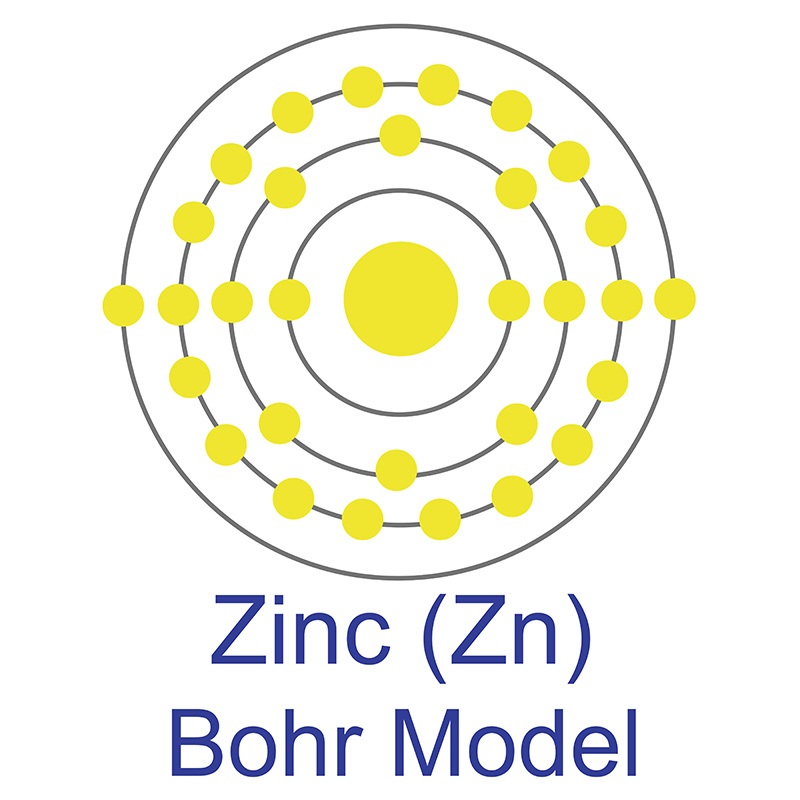
Zinc is a Block D, Group 12, Period 4 element. The number of electrons in each of Zinc's shells is 2, 8, 18, 2, and its electronic configuration is [Ar] 3d10 4s2. In its elemental form zinc's CAS number is 7440-66-6. The zinc atom has a radius of 133.5.pm and its Van der Waals radius is 139.pm. Zinc is considered non-toxic in healthy doses but can cause nausea if taken in excess. Zinc is a bluish-white, lustrous metal which we produce in Special High Grade (SHG) purities. It is brittle at ordinary temperatures but malleable at 100 to 150 °C. It is a fair conductor of electricity, and burns in air at high red heat with evolution of white clouds of the oxide. It has unusual electrical, thermal, optical, and
solid-state properties that have not been fully investigated. The metal is employed to form numerous alloys with other metals. Brass, Nickel, Silver, commercial Bronze, soft solder, and Aluminum solder are some of the more important alloys.
Large quantities of zinc are used to produce die castings, which are used extensively by the automotive, electrical, and hardware industries. Zinc is also used extensively to galvanize other metals such as iron to prevent corrosion. Zinc oxide is widely used in the manufacture of paints, rubber products, cosmetics, pharmaceuticals, floor coverings, plastics, printing inks, soap, storage batteries, textiles, electrical equipment, and other products. Zinc sulfide is used in making luminous dials, X-ray and TV screens, and fluorescent lights The chloride and chromate are also important compounds. In a January 2013 report, researchers from Forschungszentrum Jülich, the University of Göttingen, Massachusetts Institute of Technology, Ruder Boškovic Institute, and IISER Kolkata used Zinc Methyl Phenalenyl (ZMP) and Cobalt to produce a new kind of molecular magnet. The new magnets could pave the way for more powerful storage media as well as faster and more energy-efficient processors for information processing. Zinc is available as metal and compounds with purities from 99% to 99.9999% (ACS grade to ultra-high purity); metals in the form of foil, sputtering target, and rod, and compounds as submicron and nanopowder. Zinc is mined from sulfidic ore deposits and is the fourth most common metal in use (after iron, aluminum, and copper). Zinc was first discovered by Andreas Marggraf in 1746. The element name Zinc originates from the German word "zin" meaning tin. See Zinc research below.
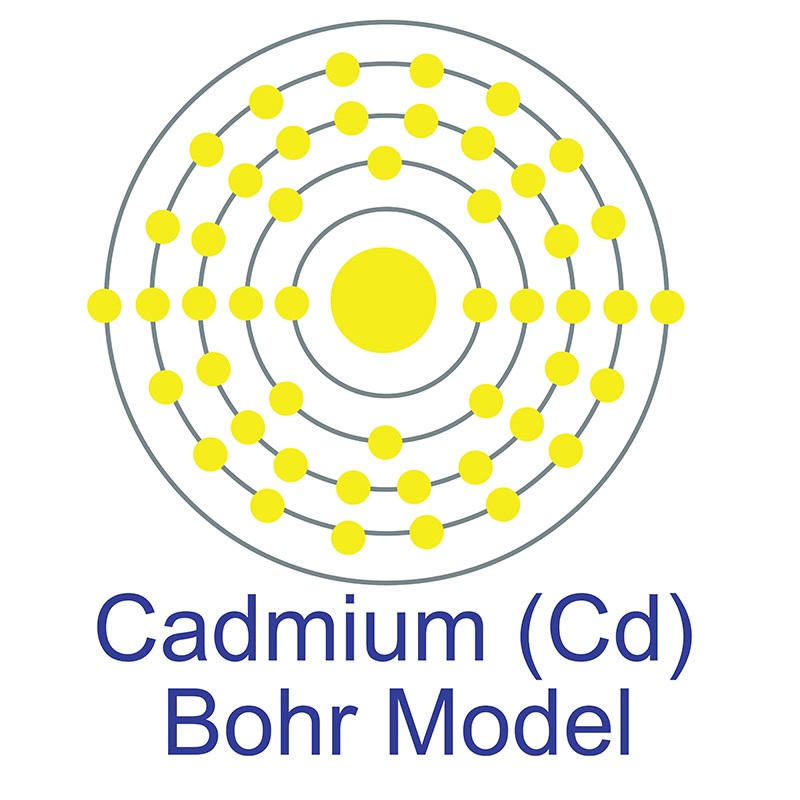
Cadmium is a Block D, Group 12, Period 5 element. The number of electrons in each of Cadmium's shells is 2, 8, 18, 18, 2 and its electronic configuration is [Kr] 4d10 5s2. In its elemental form cadmium's CAS number is 7440-43-9. The cadmium atom has a radius of 148.9.pm and its Van der Waals radius is 158.pm. Cadmium and its compounds are very toxic. Cadmium is a component of some of the lowest melting alloys; it is used in bearing alloys with low coefficients of friction and great resistance to fatigue. Cadmium is used extensively in electroplating, which accounts for about 60% of its use. It is also used in many types of solder,
for standard E.M.F. cells, for nickel-cadmium batteries, and as a barrier to control nuclear fission. Cadmium compounds are used in black and white television phosphors and in blue and green phosphors for color television tubes and CRT monitors.
Cadmium in glass and ceramic glazes creates a distinctive cadmium yellow. It forms a number of compounds, of which the sulfate is most common; the sulfide is used as a yellow pigment. Cadmium is similar to carbon in that it has a capacity to form stable covalently bonded molecular networks. Cadmium and its compounds are extremely toxic. Cadmium was first discovered by Fredrich Stromeyer in 1817. Cadmium, a common impurity in zinc ores, is isolated during the production of zinc. The name Cadmium originates from the Latin word 'cadmia' and the Greek word 'kadmeia'. See Cadmium research below.
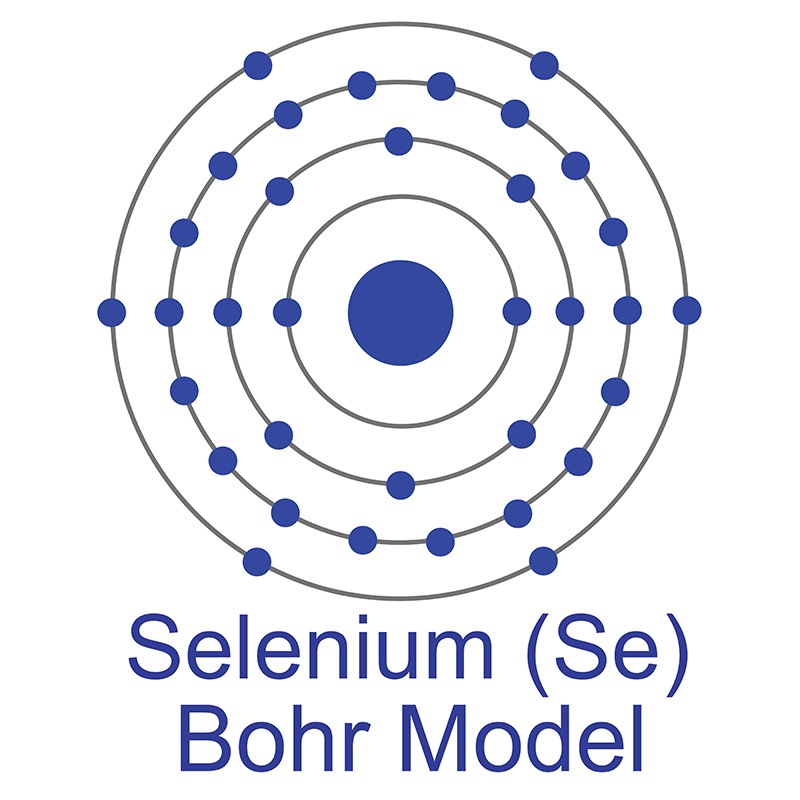
Selenium is a Block P, Group 16, Period 4 element. The number of electrons in each of Selenium's shells is 2, 8, 18, 6 and its electronic configuration is [Ar] 3d10 4s2 4p4. In its elemental form selenium's CAS number is 7782-49-2. The selenium atom has a radius of 116.pm and its Van der Waals radius is 190.pm. The EPA does not classify selenium as carcinogenic, although selenium sulfide
is a probable carcinogen. Selenates and selenites which are compounds of selenium, are highly toxic. Hydrogen selenide gas (SeH2) is the most acutely toxic compound of selenium. Selenium exhibits both photovoltaic action, where light is converted directly into electricity, and photoconductive action, where the electrical resistance decreases with increased illumination. of photocells and exposure meters for photographic use, as
well as solar cells. Below its melting point, selenium is a p-type semiconductor and has many uses in electronic and solid-state applications. In 2013, University of Notre Dame scientists created a unique type of solar cell by layering quantum dots of selenium, cadmium, and sulfur; the tandem-layered quantum dot cell exhibited a synergistic efficiency higher than the combined efficiencies of multiple single-layered cells. Selenium is available as metal and compounds with purities from 99% to 99.9999% (ACS grade to ultra-high purity); metals in the form of foil, sputtering target, and rod, and compounds as submicron and nanopowder. Selenium, first discovered by Jons Berzelius in 1817, is produced from selenide which is found in many sulfide ores. The origin of the name Selenium comes from the Greek word "Selênê" meaning moon. See selenium research below.
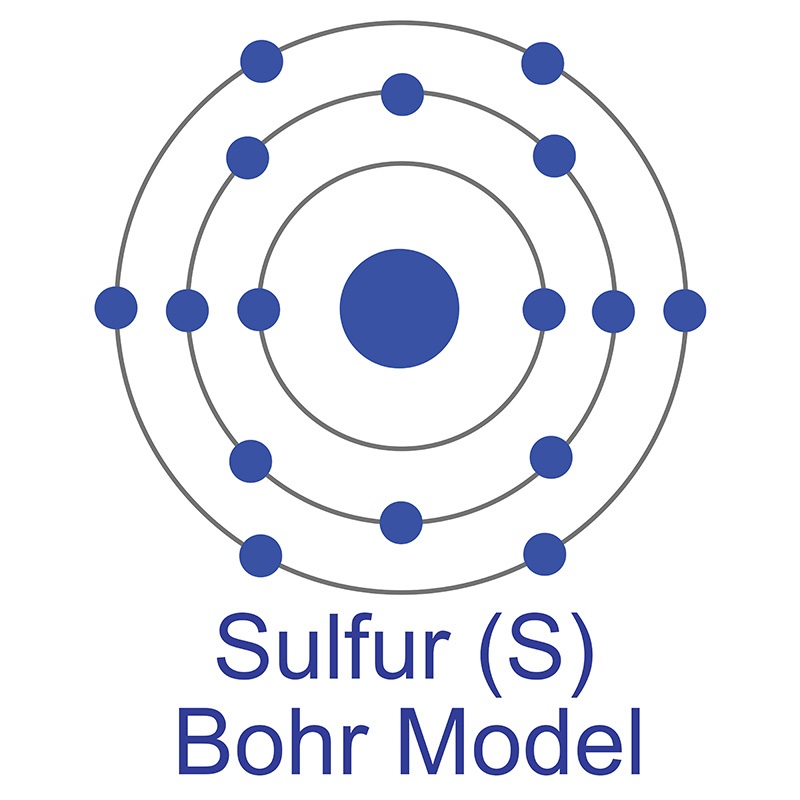
Sulfur is a Block P, Group 16, Period 3 element. The number of electrons in each of Sulfur's shells is 2, 8, 6 and its electronic configuration is [Ne]3s2 3p4. In its elemental form sulfur's CAS number is 7704-34-9. The sulfur atom has a radius of 100pm and its Van der Waals radius is 180pm.
Sulfur is a crucial element for all life and serves as both fuels and respiratory (oxygen-replacing) materials for simple organisms. In nature, sulfur can be found in hot springs, meteorites, volcanoes, and as galena, gypsum, Epsom salts, and barite. Sulfur, when organically bonded, is a component of all proteins, as the amino acids methionine and cysteine. In organic form, Sulfur is present in the vitamins thiamine and biotin. Sulfur is also a vital part of many enzymes and also in antioxidant molecules like glutathione and thioredoxin. Sulfur is available as compounds with purities from 99% to 99.9999% (ACS grade to ultra-high purity). Sulfur has been known since ancient times but was not accepted as an element until 1777. Antoine Lavoisier helped to convince the scientific commuity that sulfus is an element and not a compound. See Sulfur research below.
CUSTOMERS FOR ZINC CADMIUM SELENIDE/ ZINC SULFIDE QUANTUM DOTS HAVE ALSO LOOKED AT |
||||
|---|---|---|---|---|
| Zinc Bars | Zn Cd Se | Zinc Foil | Tin Bismuth Zinc Alloy | Zinc Nanoparticles |
| Zinc Nitrate | Zinc Acetylacetonate | Zinc Oxide Sputtering Target | Zinc Powder | Zinc Acetate |
| Zinc Oxide | Zinc Metal | Zinc Pellets | Zinc Oxide Pellets | Zinc Chloride |
| Show Me MORE Forms of Zinc | ||||
PACKAGING SPECIFICATIONS FOR BULK & RESEARCH QUANTITIES |
|---|
| Typical bulk packaging includes palletized plastic 5 gallon/25 kg. pails, fiber and steel drums to 1 ton super sacks in full container (FCL) or truck load (T/L) quantities. Research and sample quantities and hygroscopic, oxidizing or other air sensitive materials may be packaged under argon or vacuum. Shipping documentation includes a Certificate of Analysis and Material Safety Data Sheet (MSDS). Solutions are packaged in polypropylene, plastic or glass jars up to palletized 440 gallon liquid totes. |
|
|
Recent Research & Development for Zinc
- Short-Course Prophylactic Zinc Supplementation for Diarrhea Morbidity in Infants of 6 to 11 Months. Malik A, Taneja DK, Devasenapathy N, Rajeshwari K. Pediatrics. 2013 Jun 3.
- Effects of zinc-substituted nano-hydroxyapatite coatings on bone integration with implant surfaces. Zhao SF, Dong WJ, Jiang QH, He FM, Wang XX, Yang GL. J Zhejiang Univ Sci B. 2013 Jun;14(6):518-25. doi: 10.1631/jzus.B1200327.
- Arsenic, copper, and zinc contamination in soil and wheat during coal mining, with assessment of health risks for the inhabitants of Huaibei, China. Shi GL, Lou LQ, Zhang S, Xia XW, Cai QS. Environ Sci Pollut Res Int. 2013 Jun 4.
- Biomimetic Ion Nanochannels as a Highly Selective Sequential Sensor for Zinc Ions Followed by Phosphate Anions. Han C, Su H, Sun Z, Wen L, Tian D, Xu K, Hu J, Wang A, Li H, Jiang L. Chemistry. 2013 Jun 3. doi: 10.1002/chem.201300200.
- Spontaneous Phase Transformation and Exfoliation of Rectangular Single-Crystal Zinc Hydroxy Dodecylsulfate Nanomembranes. Wang F, Jakes JE, Geng D, Wang X. ACS Nano. 2013 Jun 3.
- Nitrogen-doped zinc oxide thin films biosensor for determination of uric acid. Jindal K, Tomar M, Gupta V. Analyst. 2013 May 31.
- Regulation of IgE-Dependent Zinc Release from Human Mast Cells. Nakashima-Kaneda K, Matsuda A, Mizuguchi H, Sasaki-Sakamoto T, Saito H, Ra C, Okayama Y. Int Arch Allergy Immunol. 2013;161 Suppl 2:44-51. doi: 10.1159/000350359.
- Antioxidant effect of zinc chloride against ethanol-induced gastrointestinal lesions in rats. Ineu RP, Oliveira CS, Oliveira VA, Moraes-Silva L, Luz SC, Pereira ME. Food Chem Toxicol. 2013 May 29. doi:pii: S0278-6915(13)00326-8. 10.1016/j.fct.2013.05.022.
- Allosteric modulation of zinc speciation by fatty acids. Barnett JP, Blindauer CA, Kassaar O, Khazaipoul S, Martin EM, Sadler PJ, Stewart AJ. Biochim Biophys Acta. 2013 May 29. doi:pii: S0304-4165(13)00224-9. 10.1016/j.bbagen.2013.05.028.
- The effect of iron and zinc supplementation and discontinuation of this practice on iron and zinc level in tissues in rats fed deficient diets. Kaluza J, Madej D, Brzozowska A. J Trace Elem Med Biol. 2013 Apr 9. doi:pii: S0946-672X(13)00047-3. 10.1016/j.jtemb.2013.03.004.
- Protective effect of zinc supplementation against cadmium-induced oxidative stress and the RANK/RANKL/OPG system imbalance in the bone tissue of rats. Brzóska MM, Rogalska J. Toxicol Appl Pharmacol. 2013 May 29. doi:pii: S0041-008X(13)00233-0. 10.1016/j.taap.2013.05.016.
- Detection of histone modification by chromatin immunoprecipitation combined zinc finger luciferase-based bioluminescence resonance energy transfer assay. Yoshida W, Kezuka A, Abe K, Wakeda H, Nakabayashi K, Hata K, Ikebukuro K. Anal Chem. 2013 Jun 1.
- Dichloridobis{2-[(1H-1,2,4-triazol-1-yl)meth-yl]-1H-benzimidazole-?N (3)}-zinc(II). Zhang WP, Zhang JL, Hao BL, Yang HX. Acta Crystallogr Sect E Struct Rep Online. 2013 Apr 5;69(Pt 5):m241. doi: 10.1107/S1600536813008283.
- Flow-injection chemiluminescence determination of olanzapine using N-chlorosuccinimide-calcein reaction sensitized by zinc (II). Zhao F, Fan Q, Cai H. Luminescence. 2013 May 30. doi: 10.1002/bio.2531.
- Intramolecular reorganization energy in zinc phthalocyanine and its fluorinated derivatives: a joint experimental and theoretical study. da Silva Filho DA, Coropceanu V, Gruhn NE, de Oliveira Neto PH, Brédas JL. Chem Commun (Camb). 2013 May 31.
- Distribution of zinc and zinc transporters in the mouse ovarian follicles and corpus luteum. Zhong ML, Guo C, Chi ZH, Shan ZY, Teng WP, Wang ZY. Histol Histopathol. 2013 May 31.
- A randomized double-blind, placebo-controlled trial of zinc sulfate supplementation for alleviation of radiation-induced oral mucositis and pharyngitis in head and neck cancer patients. Sangthawan D, Phungrassami T, Sinkitjarurnchai W. J Med Assoc Thai. 2013 Jan;96(1):69-76.
- Genome-Wide Association Study Identifies Loci Affecting Blood Copper, Selenium and Zinc. Evans DM, Zhu G, Dy V, Heath AC, Madden PA, Kemp JP, McMahon G, St Pourcain B, Timpson NJ, Golding J, Lawlor DA, Steer C, Montgomery GW, Martin NG, Smith GD, Whitfield JB. Hum Mol Genet. 2013 May 29.
- Contribution of calcium-conducting channels to the transport of zinc ions. Bouron A, Oberwinkler J. Pflugers Arch. 2013 May 30.
- Dy3+-doped zinc fluorophosphate glasses for white luminescence applications. Vijaya N, Upendra Kumar K, Jayasankar CK. Spectrochim Acta A Mol Biomol Spectrosc. 2013 Apr 15;113C:145-153. doi: 10.1016/j.saa.2013.04.036.
Recent Research & Development for Cadmium
- Concentrations of arsenic, cadmium and lead in selected foodstuffs from Serbian market basket: Estimated intake by the population from the Serbia. Skrbic B, Zivancev J, Mrmoš N. Food Chem Toxicol. 2013 May 24. doi:pii: S0278-6915(13)00332-3. 10.1016/j.fct.2013.05.026.
- A baseline study of metals in cod (Gadus morhua) from the North Sea and coastal Norwegian waters, with focus on mercury, arsenic, cadmium and lead. Julshamn K, Duinker A, Nilsen BM, Nedreaas K, Maage A. Mar Pollut Bull. 2013 May 22. doi:pii: S0025-326X(13)00200-2. 10.1016/j.marpolbul.2013.04.018.
- Identification of quantitative trait loci for cadmium accumulation and distribution in rice (Oryza sativa). Yan YF, Lestari P, Lee KJ, Kim MY, Lee SH, Lee BW. Genome. 2013 Apr;56(4):227-32. doi: 10.1139/gen-2012-0106. 2013 Apr 3.
- Apocynin Ameliorates Cadmium-Induced Hypertension Through Elevation of Endothelium Nitric Oxide Synthase. Nwokocha CR, Baker A, Douglas D, McCalla G, Nwokocha M, Brown PD. Cardiovasc Toxicol. 2013 May 24.
- Gender differences in the evaluation of coronary artery disease with a cadmium-zinc telluride camera. Gimelli A, Bottai M, Quaranta A, Giorgetti A, Genovesi D, Marzullo P. Eur J Nucl Med Mol Imaging. 2013 May 24.
- Relationship between occupational exposure to cadmium, transaminases and ?-GT in workers exposed to urban stressors. Tomei F, Ciarrocca M, Rosati MV, Casale T, Di Pastena C, Nieto HA, Antuono V, Iannattone G, Tomei G, Caciari T. Ann Ig. 2013 Jul-Aug;25(4):353-63. doi: 10.7416/ai.2013.1937.
- Shape dependent plasmonic response and directed self assembly in a new semiconductor building block, indium doped cadmium oxide (ICO). Gordon TR, Paik T, Klein DR, Naik GV, Caglayan H, Boltasseva A, Murray CB. Nano Lett. 2013 May 23.
- [Distribution characteristics of soil cadmium in different textured paddy soil profiles and its relevance with cadmium uptake by crops]. Qin YS, Zhan SJ, Yu H, Tu SH, Wang ZY. Guang Pu Xue Yu Guang Pu Fen Xi. 2013 Feb;33(2):476-80. Chinese.
- Dual Regulation of Cadmium-Induced Apoptosis by mTORC1 through Selective Induction of IRE1 Branches in Unfolded Protein Response. Kato H, Katoh R, Kitamura M. PLoS One. 2013 May 16;8(5):e64344. doi: 10.1371/journal.pone.0064344. Print 2013.
- The effect of cadmium on the coagulation and fibrinolytic system in women with uterine endometrial cancer and myoma. Nasiadek M, Kilanowicz A, Darago A, Lazarenkow A, Michalska M. Int J Occup Med Environ Health. 2013 May 20.
- Band Gap Engineering of Zinc Selenide Thin Films Through Alloying with Cadmium Telluride. Al-Kuhaili MF, Kayani A, Durrani SM, Bakhtiari IA, Haider MB. ACS Appl Mater Interfaces. 2013 May 20.
- Removing cadmium by nano-pore zeolites to decrease aggressive behavior, stress, and hyperactivity. Faghir H, Hassanvand A, Gharibzadeh S. J Neuropsychiatry Clin Neurosci. 2013 Mar 1;25(2):E73. doi: 10.1176/appi.neuropsych.12060145. No abstract available.
- Transcriptional regulation of glutathione biosynthesis genes, ?-glutamyl-cysteine ligase and glutathione synthetase in response to cadmium and nonylphenol in Chironomus riparius. Nair PM, Park SY, Chung JW, Choi J. Environ Toxicol Pharmacol. 2013 Apr 15;36(2):265-273. doi: 10.1016/j.etap.2013.04.001.
- Exogenous treatment with indole-3-acetic acid and salicylic acid alleviates cadmium toxicity in wheat seedlings. Agami RA, Mohamed GF. Ecotoxicol Environ Saf. 2013 May 16. doi:pii: S0147-6513(13)00156-5. 10.1016/j.ecoenv.2013.04.013.
- Cadmium interferes with maintenance of auxin homeostasis in Arabidopsis seedlings. Hu YF, Zhou G, Na XF, Yang L, Nan WB, Liu X, Zhang YQ, Li JL, Bi YR. J Plant Physiol. 2013 May 14. doi:pii: S0176-1617(13)00103-X. 10.1016/j.jplph.2013.02.008.
- Cadmium in blood of Tunisian men and risk of bladder cancer: interactions with arsenic exposure and smoking. Feki-Tounsi M, Olmedo P, Gil F, Khlifi R, Mhiri MN, Rebai A, Hamza-Chaffai A. Environ Sci Pollut Res Int. 2013 May 15.
- Bone char: a clean and renewable phosphorus fertilizer with cadmium immobilization capability. Siebers N, Leinweber P. J Environ Qual. 2013 Mar-Apr;42(2):405-11. doi: 10.2134/jeq2012.0363.
- Phosphorylation of FOXO3a by PI3K/Akt pathway in HK-2 renal proximal tubular epithelial cells exposed to cadmium. Fujiki K, Inamura H, Matsuoka M. Arch Toxicol. 2013 May 15.
- Variation in Rice Cadmium Related to Human Exposure. Meharg AA, Norton G, Deacon C, Williams P, Adomako EE, Price A, Zhu Y, Li G, Zhao FJ, McGrath S, Villada A, Sommella A, De Silva PM, Brammer H, Dasgupta T, Islam MR. Environ Sci Technol. 2013 May 23.
- [Phytoavailability and chemical speciation of cadmium in different Cd-contaminated soils with crop root return]. Zhang J, Yu LL, Xin SZ, Su DC. Huan Jing Ke Xue. 2013 Feb;34(2):685-91. Chinese.
Recent Research & Development for Selenides
- Silica encapsulation of thiol-stabilized lead selenide (PbSe) quantum dots in aqueous solution. Primera-Pedrozo OM, Ates M, Arslan Z. Mater Lett. 2013 Jul 1;102-103:116-119.
- Bis(4-nitro-phen-yl) selenide. Zuo ZL. Acta Crystallogr Sect E Struct Rep Online. 2013 Apr 5;69(Pt 5):o636. doi: 10.1107/S1600536813007526.
- Band Gap Engineering of Zinc Selenide Thin Films Through Alloying with Cadmium Telluride. Al-Kuhaili MF, Kayani A, Durrani SM, Bakhtiari IA, Haider MB. ACS Appl Mater Interfaces. 2013 May 30.
- Synthesis of metal selenide colloidal nanocrystals by the hot injection of selenium powder. Flamee S, Dierick R, Cirillo M, Van Genechten D, Aubert T, Hens Z. Dalton Trans. 2013 May 9.
- Two-dimensional superfluid density in an alkali metal-organic solvent intercalated iron selenide superconductor Li(C5H5N)0.2Fe2Se2. Biswas PK, Krzton-Maziopa A, Khasanov R, Luetkens H, Pomjakushina E, Conder K, Amato A. Phys Rev Lett. 2013 Mar 29;110(13):137003.
- Lu3+/Yb3+ and Lu3+/Er3+ co-doped antimony selenide nanomaterials: synthesis, characterization, and electrical, thermoelectrical, and optical properties. Hanifehpour Y, Joo SW, Min BK. Nanoscale Res Lett. 2013 Mar 27;8(1):141. doi: 10.1186/1556-276X-8-141.
- Ex situ formation of metal selenide quantum dots using bacterially derived selenide precursors. Fellowes JW, Pattrick RA, Lloyd JR, Charnock JM, Coker VS, Mosselmans JF, Weng TC, Pearce CI. Nanotechnology. 2013 Apr 12;24(14):145603. doi: 10.1088/0957-4484/24/14/145603.
- Radiolytic synthesis and spectroscopic investigations of cadmium selenide quantum dots grown in cationic surfactant based quaternary water-in-oil microemulsions. Singh S, Guleria A, Singh AK, Rath MC, Adhikari S, Sarkar SK. J Colloid Interface Sci. 2013 May 15;398:112-9. doi: 10.1016/j.jcis.2013.02.008.
- Metal ions to control the morphology of semiconductor nanoparticles: copper selenide nanocubes. Li W, Zamani R, Ibáñez M, Cadavid D, Shavel A, Morante JR, Arbiol J, Cabot A. J Am Chem Soc. 2013 Mar 27;135(12):4664-7. doi: 10.1021/ja400472m.
- [Aqua-bis-(nitrato-?O)copper(II)]-µ-{bis-[5-methyl-3-(pyridin-2-yl)-1H-pyrazol-4-yl]selenide}-[diaqua-(nitrato-?O)copper(II)] nitrate monohydrate. Seredyuk M, Pavlenko VA, Gumienna-Kontecka E, Iskenderov TS. Acta Crystallogr Sect E Struct Rep Online. 2012 Dec 1;68(Pt 12):m1472-3. doi: 10.1107/S1600536812045217.
- Apoptosis induced by cadmium selenide quantum dots in JB6 cells. Kong L, Zhang T, Tang M, Pu Y. J Nanosci Nanotechnol. 2012 Nov;12(11):8258-65.
- A reversible fluorescent probe for detecting hypochloric acid in living cells and animals: utilizing a novel strategy for effectively modulating the fluorescence of selenide and selenoxide. Lou Z, Li P, Pan Q, Han K. Chem Commun (Camb). 2013 Mar 25;49(24):2445-7. doi: 10.1039/c3cc39269d.
- Superconducting phases in potassium-intercalated iron selenides. Ying T, Chen X, Wang G, Jin S, Lai X, Zhou T, Zhang H, Shen S, Wang W. J Am Chem Soc. 2013 Feb 27;135(8):2951-4. doi: 10.1021/ja312705x.
- Hypochlorous acid turn-on fluorescent probe based on oxidation of diphenyl selenide. Liu SR, Wu SP. Org Lett. 2013 Feb 15;15(4):878-81. doi: 10.1021/ol400011u.
- The secondary phosphite selenide, CpFe(CO)2P(Se)(O(i)Pr)2, as an organometalloligand in heterometallic M-Se-P-Fe(Cp)-type complexes [M = Cr(0), W(0), Pd(II), Pt(II), Au(I)]. Liao PK, Chang WS, Lee YC, Liao JH, van Zyl WE, Liu CW. Dalton Trans. 2013 Apr 21;42(15):5258-65. doi: 10.1039/c2dt32684a.
- K2FeGe3Se8: a new antiferromagnetic iron selenide. Feng K, Wang W, He R, Kang L, Yin W, Lin Z, Yao J, Shi Y, Wu Y. Inorg Chem. 2013 Feb 18;52(4):2022-8. doi: 10.1021/ic302394e.
- Neutralization by metal ions of the toxicity of sodium selenide. Dauplais M, Lazard M, Blanquet S, Plateau P. PLoS One. 2013;8(1):e54353. doi: 10.1371/journal.pone.0054353.
- Bis-vinyl selenides obtained via iron(III) catalyzed addition of PhSeSePh to alkynes: synthesis and antinociceptive activity. Sartori G, Neto JS, Pesarico AP, Back DF, Nogueira CW, Zeni G. Org Biomol Chem. 2013 Feb 21;11(7):1199-208. doi: 10.1039/c2ob27064a.
- Selenium containing imidazolium salt in designing single source precursors for silver bromide and selenide nano-particles. Joshi H, Sharma KN, Singh VV, Singh P, Singh AK. Dalton Trans. 2013 Feb 21;42(7):2366-70. doi: 10.1039/c2dt32818f.
- [4-(Dimethyl-amino)-phen-yl]diphenyl-phosphine selenide. Davis WL, Muller A. Acta Crystallogr Sect E Struct Rep Online. 2012 Nov 1;68(Pt 11):o3153-4. doi: 10.1107/S1600536812042602.
Recent Research & Development for Sulfides
- Methanogenic activities of sulfide and nitric oxide amended mesophilic, methanogenic culture: Role of nitrososufides complex. Lee DJ, Wong BT. Bioresour Technol. 2013 May 18;142C:63-68. doi: 10.1016/j.biortech.2013.05.035.
- Crosstalk between hydrogen sulfide and nitric oxide in endothelial cells. Altaany Z, Yang G, Wang R. J Cell Mol Med. 2013 Jun 7. doi: 10.1111/jcmm.12077.
- Hydrogen Sulfide Prevents Hydrogen Peroxide-Induced Activation of Epithelial Sodium Channel through a PTEN/PI(3,4,5)P3 Dependent Pathway. Zhang J, Chen S, Liu H, Zhang B, Zhao Y, Ma K, Zhao D, Wang Q, Ma H, Zhang Z. PLoS One. 2013 May 31;8(5):e64304. doi: 10.1371/journal.pone.0064304.
- Conversion of a heme-based oxygen sensor to a heme oxygenase by hydrogen sulfide: effects of mutations in the heme distal side of a heme-based oxygen sensor phosphodiesterase (Ec DOS). Du Y, Liu G, Yan Y, Huang D, Luo W, Martinkova M, Man P, Shimizu T. Biometals. 2013 Jun 5.
- Hydrogen Sulfide Inhibits Abnormal Proliferation of Lymphocytes via AKT/GSK3ß Signal Pathway in Systemic Lupus Erythematosus Patients. Han Y, Zeng F, Tan G, Yang C, Tang H, Luo Y, Feng J, Xiong H, Guo Q. Cell Physiol Biochem. 2013 May 31;31(6):795-804.
- Evaluating the recovery performance of the ANAMMOX process following inhibition by phenol and sulfide. Jin RC, Zhang QQ, Yang GF, Xing BS, Ji YX, Chen H. Bioresour Technol. 2013 May 16;142C:162-170. doi: 10.1016/j.biortech.2013.05.022.
- Development of Selective Colorimetric Probes for Hydrogen Sulfide Based on Nucleophilic Aromatic Substitution. Montoya LA, Pearce TF, Hansen RJ, Zakharov LN, Pluth MD. J Org Chem. 2013 Jun 4.
- L-cysteine and hydrogen sulfide increase PIP3 and AMPK/PPAR? expression and decrease ROS and vascular inflammation markers in high glucose treated human U937 monocytes. Manna P, Jain SK. J Cell Biochem. 2013 Jun 4. doi: 10.1002/jcb.24578.
- Hydrogen sulfide slows down progression of experimental Alzheimer's disease by targeting multiple pathophysiological mechanisms. Giuliani D, Ottani A, Zaffe D, Galantucci M, Strinati F, Lodi R, Guarini S. Neurobiol Learn Mem. 2013 May 30. doi:pii: S1074-7427(13)00087-7. 10.1016/j.nlm.2013.05.006.
- Postural Orthostatic Tachycardia Syndrome with Increased Erythrocytic Hydrogen Sulfide and Response to Midodrine Hydrochloride. Yang J, Zhao J, Du S, Liu D, Fu C, Li X, Chen S, Tang C, Du J, Jin H. J Pediatr. 2013 May 30. doi:pii: S0022-3476(13)00504-0. 10.1016/j.jpeds.2013.04.039.
- The role of black carbon conductivity in mediating hexahydro-1,3,5-trinitro-1,3,5-triazine (RDX) transformation on carbon surfaces by sulfides. Xu W, Pignatello JJ, Mitch WA. Environ Sci Technol. 2013 May 31.
- Deoxygenation of sulfoxides to sulfides with thionyl chloride and triphenylphosphine: Competition with the Pummerer reaction. Jang Y, Kim KT, Jeon HB. J Org Chem. 2013 May 31.
- Progress in bioleaching: fundamentals and mechanisms of bacterial metal sulfide oxidation-part A. Vera M, Schippers A, Sand W. Appl Microbiol Biotechnol. 2013 May 30.
- Hydrogen Sulfide Donor NaHS Reduces Organ Injury in a Rat Model of Pneumococcal Pneumosepsis, Associated with Improved Bio-Energetic Status. Aslami H, Pulskens WP, Kuipers MT, Bos AP, van Kuilenburg AB, Wanders RJ, Roelofsen J, Roelofs JJ, Kerindongo RP, Beurskens CJ, Schultz MJ, Kulik W, Weber NC, Juffermans NP. PLoS One. 2013 May 23;8(5):e63497. doi: 10.1371/journal.pone.0063497.
- Inhibition of Hydrogen Sulfide-induced Angiogenesis and Inflammation in Vascular Endothelial Cells: Potential Mechanisms of Gastric Cancer Prevention by Korean Red Ginseng. Choi KS, Song H, Kim EH, Choi JH, Hong H, Han YM, Hahm KB. J Ginseng Res. 2012 Apr;36(2):135-45. doi: 10.5142/jgr.2012.36.2.135.
- Intramolecular Nucleophilic Addition to the 2 Position of Coordinated 2,2'-Bipyridine by a Deprotonated Dimethyl Sulfide Ligand. Arévalo R, Pérez J, Riera L. Inorg Chem. 2013 May 28.
- Hydrogen sulfide donor, GYY4137, exhibits anti-atherosclerotic activity in high fat fed apolipoprotein E-/- mice. Liu Z, Han Y, Li L, Lu H, Meng G, Li X, Shirhan M, Peh MT, Xie L, Zhou S, Wang X, Chen Q, Dai W, Tan CH, Pan S, Moore PK, Ji Y. Br J Pharmacol. 2013 May 28. doi: 10.1111/bph.12246.
- [Hydrogen sulfide inhibits Ca(2+)-induced mitochondrial permeability transition pore opening in spontaneously hypertensive rats]. Fiziol Zh. 2013;59(1):3-10.
- Decreased Endogenous Production of Hydrogen Sulfide Accelerates Atherosclerosis. Mani S, Li H, Untereiner A, Wu L, Yang G, Austin RC, Dickhout JD, Lhoták S, Meng QH, Wang R. Circulation. 2013 May 23.
- Dysregulation of Hydrogen Sulfide (H2S) Producing Enzyme Cystathionine ?-lyase (CSE) Contributes to Maternal Hypertension and Placental Abnormalities in Preeclampsia. Wang K, Ahmad S, Cai M, Rennie J, Fujisawa T, Crispi F, Baily J, Miller MR, Cudmore M, Hadoke PW, Wang R, Gratacós E, Buhimschi IA, Buhimschi CS, Ahmed A. Circulation. 2013 May 23.
Proud Sponsors of the International Conference on Diamond & Carbon
Materials. Please join us and our customers and co-sponsors Thermo
Scientific and Element Six on September 2, 2013 in Riva del Garda, Italy.