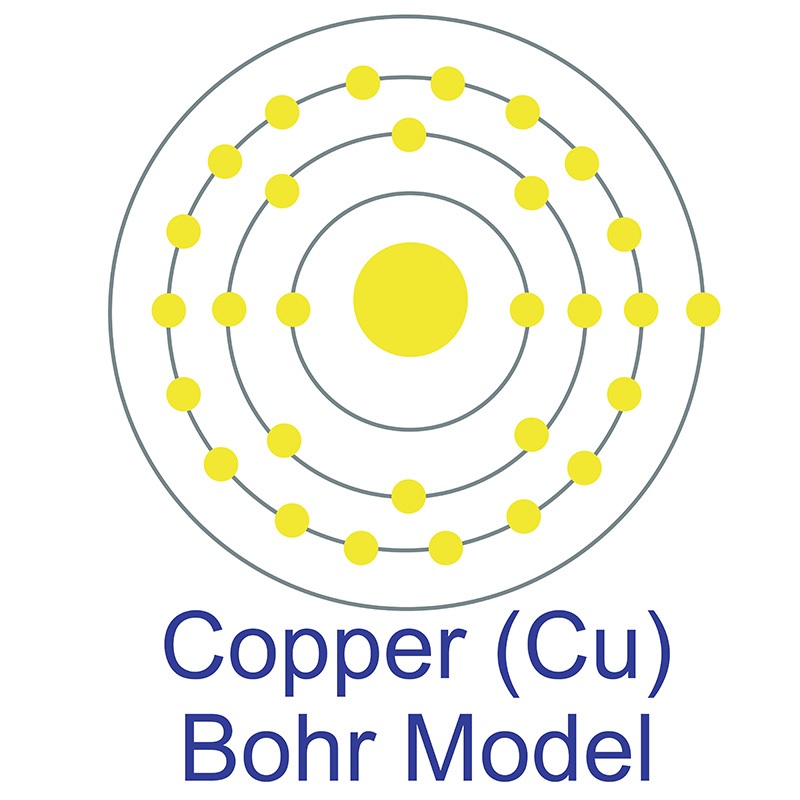
American Elements produces to many standard grades when applicable, including Mil Spec (military grade); ACS, Reagent and Technical Grade; Food, Agricultural and Pharmaceutical Grade; Optical Grade, USP and EP/BP (European Pharmacopeia/British Pharmacopeia) and follows applicable ASTM testing standards.See safety data and research below and pricing/lead time above. American Elements specializes in producing high purity Copper Germanium Sputtering Targets with the highest possible density and smallest possible average grain sizes for use in semiconductor, chemical vapor deposition (CVD) and physical vapor deposition (PVD) display and optical applications. Our standard Sputtering Targets for thin film are available monoblock or bonded with dimensions and configurations up to 820 mm with hole drill locations and threading, beveling, grooves and backing designed to work with both older sputtering devises as well as the latest process equipment, such as large area coating for solar energy or fuel cells and flip-chip applications. Research sized targets are also produced as well as custom sizes and alloys. All targets are analyzed using best demonstrated techniques including X-Ray Fluorescence (XRF), Glow Discharge Mass Spectrometry (GDMS), and Inductively Coupled Plasma (ICP). "Sputtering" allows for thin film deposition of an ultra high purity sputtering metallic or oxide material onto another solid substrate by the controlled removal and conversion of the target material into a directed gaseous/plasma phase through ionic bombardment. We can also provide targets outside this range in addition to just about any size rectangular, annular, or oval target. Materials are produced using crystallization, solid state and other ultra high purification processes such as sublimation. American Elements specializes in producing custom compositions for commercial and research applications and for new proprietary technologies. American Elements also casts any of the rare earth metals and most other advanced materials into rod, bar or plate form, as well as other machined shapes and through other processes such as nanoparticles (See also application discussion at Nanotechnology Information and at Quantum Dots) and in the form of solutions and organometallics. We also produce Copper as disc, granules, ingot, pellets, pieces, powder, and rod. Other shapes are available by request. Copper is a Block D, Group 11, Period 4 element. The number of electrons in each of Copper's shells is 2, 8, 18, 1 and its electronic configuration is [Ar] 3d10 4s1. In its elemental form copper's CAS number is 7440-50-8. The copper atom has a radius of 127.8 .pm and it's Van der Waals radius is 140.pm. Copper is an essential trace element in animals and plants, but in excess copper is toxic. Due to its high electrical conductivity, large amounts of copper are used by the electrical industry for wire. Of all pure metals, only silver has a higher electrical conductivity. Copper is also resistant to corrosion caused by moisture, making it a widely used material in pipes, coins, and jewelry. Copper is often too soft for its applications, so it is incorporated in numerous alloys. For example, brass is a copper-zinc alloy, and bronze is a copper-tin alloy. Copper sulfate (CuSO 4·H2O), also known as blue vitrol, is the most well-known copper compound. It is used as an agricultural poison, an algicide, and as a pigment for inks. Cuprous chloride (CuCl) is a powder used to absorb carbon dioxide (CO2). Copper cyanide (CuCN) is often used in electroplating applications. Copper is available as metal and compounds with purities from 99% to 99.9999% (ACS grade to ultra-high purity); metals in the form of foil, sputtering target, and rod, and compounds as submicron and nanopowder. Copper was first discovered by Early Man. The origin of the word copper comes from the Latin word 'cuprium' which translates as "metal of Cyprus". Cyprus, a Mediterranean island, was known as an ancient source of mined copper. See Copper research below.
Germanium is a Block P, Group 14, Period 4 element. The number of electrons in each of Germanium's shells is 2, 8, 18, 4 and its electronic configuration is [Ar] 3d10 4s2 4p2. In its elemental form germanium's CAS number is 7440-56-4. The germanium atom has a radius of 122.5.pm and it's Van der Waals radius is 200.pm. Germanium is not toxic. Germanium is a very important semiconductor. Zone-refining techniques have led to production of crystalline germanium for semiconductor use with extremely high purities. When germanium is doped with arsenic, gallium, or other elements, it is used as a transistor element in thousands of electronic applications. The most common use of germanium is as a semiconductor. Germanium is also finding many other applications including use as an alloying agent, as a phosphor in fluorescent lamps, and as a catalyst. Germanium and germanium oxide are transparent to the infrared and are used in infrared spectroscopes and other optical equipment, including extremely sensitive infrared detectors. The high refractive index and dispersion properties of its oxide's have made germanium useful as a component of wide-angle camera lenses and microscope objectives. The field of organo-germanium chemistry is becoming increasingly important. Germanium was first discovered by Clemens Winkler in 1886. The name Germanium originates from the Latin word "Germania" meaning "Germany". See Germanium research below. |
PACKAGING SPECIFICATIONS FOR BULK & RESEARCH QUANTITIES |
Typical bulk packaging includes palletized plastic 5 gallon/25 kg. pails, fiber and steel drums to 1 ton super sacks in full container (FCL) or truck load (T/L) quantities. Research and sample quantities and hygroscopic, oxidizing or other air sensitive materials may be packaged under argon or vacuum. Shipping documentation includes a Certificate of Analysis and Material Safety Data Sheet (MSDS). Solutions are packaged in polypropylene, plastic or glass jars up to palletized 440 gallon liquid totes.
|
|
| |
Customers for this product have also looked at: |
Recent Research & Development for Copper
- Altered intracellular localization and valosin-containing protein (p97 VCP) interaction underlie ATP7A-related distal motor neuropathy.
Yi L, Donsante A, Kennerson ML, Mercer JF, Garbern JY, Kaler SG.
Hum Mol Genet. 2011 Dec 30. [Epub ahead of print]
PMID:
22210628
[PubMed - as supplied by publisher]
- Chitinolytic and Chitosanolytic Activities from Crude Cellulase Extract Produced by A. niger Grown on Apple Pomace Through Koji Fermentation.
Dhillon GS, Brar SK, Kaur S, Valero JR, Verma M.
J Microbiol Biotechnol. 2011 Dec;21(12):1312-21.
PMID:
22210619
[PubMed - in process]
- Structural and functional recovery of microbial biofilms after a decrease in copper exposure: Influence of the presence of pristine communities.
Lambert AS, Morin S, Artigas J, Volat B, Coquery M, Neyra M, Pesce S.
Aquat Toxicol. 2011 Dec 14;109C:118-126. [Epub ahead of print]
PMID:
22210500
[PubMed - as supplied by publisher]
- Effects of copper on osmoregulation in sheepshead minnow, Cyprinodon variegatus acclimated to different salinities.
Adeyemi JA, Deaton LE, Pesacreta TC, Klerks PL.
Aquat Toxicol. 2011 Dec 14;109C:111-117. [Epub ahead of print]
PMID:
22210499
[PubMed - as supplied by publisher]
- Characterization of the Chitinolytic Machinery of Enterococcus faecalis V583 and High-Resolution Structure of Its Oxidative CBM33 Enzyme.
Vaaje-Kolstad G, Bøhle LA, Gåseidnes S, Dalhus B, Bjørås M, Mathiesen G, Eijsink VG.
J Mol Biol. 2011 Dec 22. [Epub ahead of print]
PMID:
22210154
[PubMed - as supplied by publisher]
- Electrochemistry of copper(II) induced complexes in mycorrhizal maize plant tissues.
Zitka O, Merlos MA, Adam V, Ferrol N, Pohanka M, Hubalek J, Zehnalek J, Trnkova L, Kizek R.
J Hazard Mater. 2011 Dec 13. [Epub ahead of print]
PMID:
22209587
[PubMed - as supplied by publisher]
- The metal binding abilities of Megathura crenulata metallothionein (McMT) in the frame of Gastropoda MTs.
Pérez-Rafael S, Mezger A, Lieb B, Dallinger R, Capdevila M, Palacios O, Atrian S.
J Inorg Biochem. 2011 Dec 3. [Epub ahead of print]
PMID:
22209022
[PubMed - as supplied by publisher]
- Photoluminescence quenching/recovery kinetics of [Ru(bpy)(2)(tatp)](2+) and [Ru(bpy)(2)(dmtatp)](2+) intercalated within DNA by copper(II) ions and EDTA.
Ji S, Chen M, Gan G, Li H, Li W.
Spectrochim Acta A Mol Biomol Spectrosc. 2011 Dec 16. [Epub ahead of print]
PMID:
22208960
[PubMed - as supplied by publisher]
- Peculiarities of copper binding to alpha-synuclein.
Ahmad A, Burns CS, Fink AL, Uversky VN.
J Biomol Struct Dyn. 2012 Feb;29(4):825-42.
PMID:
22208282
[PubMed - in process]
- Role of Vitamin C and E Supplementation on IL-6 in response to Training.
Yfanti C, Fischer CP, Nielsen S, Akerström T, Nielsen AR, Veskoukis AS, Kouretas D, Lykkesfeldt J, Pilegaard H, Pedersen BK.
J Appl Physiol. 2011 Dec 29. [Epub ahead of print]
PMID:
22207723
[PubMed - as supplied by publisher]
- Zinc, Ferritin, Magnesium and Copper in a group of Egyptian Children with Attention Deficit Hyperactivity Disorder.
Mahmoud MM, El-Mazary AA, Maher RM, Saber MM.
Ital J Pediatr. 2011 Dec 29;37(1):60. [Epub ahead of print]
PMID:
22206662
[PubMed - as supplied by publisher]
- Copper-Catalyzed Aerobic Oxidative Intramolecular C-H Amination Leading to Imidazobenzimidazole Derivatives.
Wang X, Jin Y, Zhao Y, Zhu L, Fu H.
Org Lett. 2011 Dec 29. [Epub ahead of print]
PMID:
22206482
[PubMed - as supplied by publisher]
- High-Throughput Graphene Imaging on Arbitrary Substrates with Widefield Raman Spectroscopy.
Havener RW, Ju SY, Brown L, Wang Z, Wojcik M, Ruiz-Vargas CS, Park J.
ACS Nano. 2011 Dec 29. [Epub ahead of print]
PMID:
22206260
[PubMed - as supplied by publisher]
- Triarylboron-Functionalized Cu(II) Carboxylate Paddlewheel Complexes.
Blight BA, Stewart AF, Wang N, Lu JS, Wang S.
Inorg Chem. 2011 Dec 28. [Epub ahead of print]
PMID:
22206219
[PubMed - as supplied by publisher]
- Application of a topical biomimetic electrical signaling technology to photo-aging: a randomized, double-blind, placebo-controlled trial of a galvanic zinc-copper complex.
Chantalat J, Bruning E, Sun Y, Liu JC.
J Drugs Dermatol. 2012 Jan 1;11(1):30-7.
PMID:
22206074
[PubMed - in process]
- Assessment of Metal Pollution in Soils From a Former Havana (Cuba) Solid Waste Open Dump.
Díaz Rizo O, Hernández Merlo M, Echeverría Castillo F, Arado López JO.
Bull Environ Contam Toxicol. 2011 Dec 29. [Epub ahead of print]
PMID:
22205471
[PubMed - as supplied by publisher]
- Coordination chemistry of copper proteins: How nature handles a toxic cargo for essential function.
Rubino JT, Franz KJ.
J Inorg Biochem. 2011 Dec 3;107(1):129-143. [Epub ahead of print]
PMID:
22204943
[PubMed - as supplied by publisher]
- Palm oil fruit shells as biosorbent for copper removal from water and wastewater: Experiments and sorption models.
Hossain MA, Ngo HH, Guo WS, Nguyen TV.
Bioresour Technol. 2011 Dec 9. [Epub ahead of print]
PMID:
22204888
[PubMed - as supplied by publisher]
- Effective and reversible DNA condensation induced by bifunctional molecules containing macrocyclic polyamines and naphthyl moieties.
Yan H, Li ZF, Guo ZF, Lu ZL, Wang F, Wu LZ.
Bioorg Med Chem. 2011 Dec 8. [Epub ahead of print]
PMID:
22204742
[PubMed - as supplied by publisher]
- Fish quarantine: current practices in public zoos and aquaria.
Hadfield CA, Clayton LA.
J Zoo Wildl Med. 2011 Dec;42(4):641-50.
PMID:
22204059
[PubMed - in process]
|
Customers for this product have also looked at: |
Recent Research & Development for Germanium
- Facile central-element exchange in neutral
hexacoordinate germanium and silicon complexes; synthesis and characterization of
germanium complexes. Yakubovich S, Kalikhman I, Kost D. Dalton Trans. 2010 Oct 21;39(39):9241-4. Epub 2010 Aug 18.
PubMed PMID: 20717626.
- Ionic nature of
Ge(II)-centered dications: a germanium K-edge X-ray absorption near edge
structures study. Ward MJ, Rupar PA, Murphy MW, Yiu YM, Baines KM, Sham TK. Chem Commun (Camb). 2010 Oct 7;46(37):7016-8. Epub 2010 Aug 25.
PubMed PMID: 20740225.
- Seedless Growth of Sub-10 nm Germanium Nanowires. Hobbs RG, Barth S, Petkov N, Zirngast M, Marschner C, Morris MA, Holmes JD. J Am Chem Soc. 2010 Oct
6;132(39):13742-9. PubMed PMID: 20836555.
- Group IV nanoparticles: synthesis, properties, and biological
applications. Fan J, Chu PK. Small. 2010 Oct 4;6(19):2080-98. PubMed PMID: 20730824.
- Broadband spectral modification from
visible light to near-infrared radiation using Ce(3+)-Er(3+) codoped yttrium
aluminium garnet. Zhou J, Teng Y, Liu X, Ye S, Ma Z, Qiu J. Phys Chem Chem Phys. 2010 Sep 27. [Epub ahead of print] PubMed
PMID: 20871892.
- Scanning Probe
Direct-Write of Germanium Nanostructures. Torrey JD, Vasko SE, Kapetanovic A, Zhu Z, Scholl A, Rolandi M. Adv Mater. 2010 Sep 24. [Epub ahead of
print] PubMed PMID: 20872407.
- Bone densitometry using x-ray spectra. Krmar M, Shukla S, Ganezer K. Phys Med
Biol. 2010 Sep 24;55(20):6105-6123. [Epub ahead of print] PubMed PMID: 20871137.
- The effect of air mass
origin on the ambient concentrations of (7)Be and (210)Pb in Islamabad, Pakistan.
Ali N, Khan EU, Akhter P, Khattak NU, Khan F, Rana MA. J Environ Radioact. 2010 Sep 23. [Epub ahead of print] PubMed PMID: 20869795.
- Metal-Assisted Chemical
Etching of Silicon: A Review. Huang Z, Geyer N, Werner P, de Boor J, Gösele U. Adv Mater. 2010 Sep 21. [Epub ahead of print]
PubMed PMID: 20859941.
- ASSESSMENT OF RADIOLOGICAL HAZARDS OF
CLAY BRICKS FABRICATED IN THE PUNJAB PROVINCE OF PAKISTAN. Asghar M, Tufail M, Khan K, Mahmood A. Radiat Prot Dosimetry.
2010 Sep 21. [Epub ahead of print] PubMed PMID: 20858678.
- Toward a
photoconducting semiconductor RF optical fiber antenna array. Davis R, Rice R, Ballato A, Hawkins T, Foy P, Ballato J. Appl Opt. 2010 Sep
20;49(27):5163-8. doi: 10.1364/AO.49.005163. PubMed PMID: 20856292.
- Enhanced Raman
Scattering from Nanoparticle-Decorated Nanocone Substrates: A Practical Approach
to Harness In-Plane Excitation. Hu YS, Jeon J, Seok TJ, Lee S, Hafner JH, Drezek RA, Choo H. ACS Nano. 2010 Sep 13. [Epub ahead of print]
PubMed PMID: 20836500.
- Indium Flux-Growth of Eu(2)AuGe(3): A New
Germanide with an AlB(2) Superstructure. Sebastian CP, Malliakas CD, Chondroudi M, Schellenberg I, Rayaprol S,
Hoffmann RD, Po¨ttgen R, Kanatzidis MG. Inorg Chem. 2010 Sep 13. [Epub ahead of
print] PubMed PMID: 20836517.
- Germanium(ii) hydride mediated reduction
of carbon dioxide to formic acid and methanol with ammonia borane as the hydrogen
source. Jana A, Tavcar G, Roesky HW, John M. Dalton Trans. 2010 Sep 7. [Epub ahead of print] PubMed PMID: 20830405.
- Survey of materials for nanoskiving and influence of the cutting process on the
nanostructures produced. Lipomi DJ, Martinez RV, Rioux RM, Cademartiri L, Reus WF, Whitesides GM. ACS Appl Mater Interfaces. 2010 Sep;2(9):2503-14. PubMed
PMID: 20815347.
- Dual energy CT at the synchrotron: A piglet model for neurovascular research.
Schültke E, Kelly ME, Nemoz C, Fiedler S, Ogieglo L, Crawford P, Paterson J,
Beavis C, Esteve F, Brochard T, Renier M, Requardt H, Dallery D, Le Duc G, Meguro
K. Eur J Radiol. 2010 Aug 21. [Epub ahead of print] PubMed PMID: 20732772.
- Impact of source-production revision on the
dose-rate constant of 131Cs interstitial brachytherapy sources. Chen Z, Bongiorni P, Nath R. Med Phys. 2010
Jul;37(7):3607-10. PubMed PMID: 20831068; PubMed Central PMCID: PMC2902542.
- Synchrotron-based scattered radiation from phantom materials used in
X-ray CT. Rao DV, Swapna M, Cesareo R, Brunetti A, Akatsuka T, Yuasa T, Takeda T,
Gigante GE. J Xray Sci Technol. 2010;18(3):327-37. PubMed PMID: 20714090.
- Methylated Metal(loid) Species in Humans. Met Ions
Life Sci. 2010;7:465-521. Hirner AV, Rettenmeier AW. Epub 2010 Jan 30. PubMed PMID: 20877816.
- Determination method for total arsenic and partial-digestion method with nitric
acid for inorganic arsenic speciation in several varieties of rice. Nishimura T, Hamano-Nagaoka M, Sakakibara N, Abe T, Maekawa Y, Maitani T. Shokuhin
Eiseigaku Zasshi. 2010;51(4):178-81. PubMed PMID: 20827054.
|
| American Elements is a copyrighted U.S. Trademark. All rights reserved. |
| |