SECTION 1. IDENTIFICATION
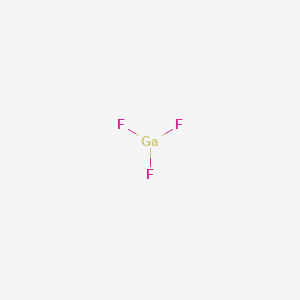
Product Name: Gallium Fluoride Sputtering Target
Product Number: All applicable American Elements product codes, e.g. GA-F-03-ST
, GA-F-04-ST
, GA-F-05-ST
, GA-F-02-ST
CAS #: 7783-51-9
Relevant identified uses of the substance: Scientific research and development
Supplier details:
American Elements
10884 Weyburn Ave.
Los Angeles, CA 90024
Tel: +1 310-208-0551
Fax: +1 310-208-0351
Emergency telephone number:
Domestic, North America: +1 800-424-9300
International: +1 703-527-3887
SECTION 2. HAZARDS IDENTIFICATION
Classification:
This chemical is considered hazardous by the 2012 OSHA Hazard Communication Standard (29 CFR 1910.1200)
Skin Corrosion/Irritation Category 1 B
Serious Eye Damage/Eye Irritation Category 1
Specific target organ toxicity (single exposure) Category 3
Target Organs - Respiratory system.
Signal Word:
Danger
Hazard Statements
Causes severe skin burns and eye damage
May cause respiratory irritation
Precautionary Statements
Prevention:
Do not breathe dust/fume/gas/mist/vapors/spray
Wash face, hands and any exposed skin thoroughly after handling
Wear protective gloves/protective clothing/eye protection/face protection
Use only outdoors or in a well-ventilated area
Response:
Immediately call a POISON CENTER or doctor/physician
Inhalation:
IF INHALED: Remove victim to fresh air and keep at rest in a position comfortable for breathing
Skin:
IF ON SKIN (or hair): Take off immediately all contaminated clothing. Rinse skin with water/shower
Wash contaminated clothing before reuse
Eyes:
IF IN EYES: Rinse cautiously with water for several minutes. Remove contact lenses, if present and easy to do. Continue rinsing
Ingestion:
IF SWALLOWED: Rinse mouth. DO NOT induce vomiting
Storage:
Store locked up
Store in a well-ventilated place. Keep container tightly closed
Disposal:
Dispose of contents/container to an approved waste disposal plant
Hazards not otherwise classified (HNOC)
None identified
SECTION 3. COMPOSITION/INFORMATION ON INGREDIENTS
Component / CAS No:
Gallium fluoride (GaF3) / 7783-51-9
SECTION 4. FIRST AID MEASURES
General Advice:
Show this safety data sheet to the doctor in attendance. Immediate medical attention is required.
Eye Contact:
Rinse immediately with plenty of water, also under the eyelids, for at least 15 minutes. Immediate medical attention is required. Keep eye wide open while rinsing. Skin Contact Wash off immediately with soap and plenty of water while removing all contaminated clothes and shoes. Call a physician immediately.
Inhalation:
Remove to fresh air. If not breathing, give artificial respiration. Call a physician or poison control center immediately. Do not use mouth-to-mouth method if victim ingested or inhaled the substance; give artificial respiration with the aid of a pocket mask equipped with a one-way valve or other proper respiratory medical device.
Ingestion:
Immediate medical attention is required. Do NOT induce vomiting. Drink plenty of water. Never give anything by mouth to an unconscious person.
Most important symptoms and effects:
Causes burns by all exposure routes. Product is a corrosive material. Use of gastric
lavage or emesis is contraindicated. Possible perforation of stomach or esophagus should
be investigated: Ingestion causes severe swelling, severe damage to the delicate tissue
and danger of perforation
Notes to Physician: Treat symptomatically
SECTION 5. FIREFIGHTING MEASURES
Suitable Extinguishing Media:
Not combustible. CO 2, dry chemical, dry sand, alcohol-resistant foam.
Unsuitable Extinguishing Media: No information available
Flash Point: No information available
Method - No information available
Autoignition Temperature No information available
Explosion Limits
Upper No data available
Lower No data available
Sensitivity to Mechanical Impact No information available
Sensitivity to Static Discharge No information available
Specific Hazards Arising from the Chemical:
The product causes burns of eyes, skin and mucous membranes.
Hazardous Combustion Products:
Hydrogen fluoride. Gallium oxide.
Protective Equipment and Precautions for Firefighters:
As in any fire, wear self-contained breathing apparatus pressure-demand, MSHA/NIOSH (approved or equivalent) and full protective gear. Thermal decomposition can lead to release of irritating gases and vapors
NFPA:
Health
3
Flammability
0
Instability
0
Physical hazards
-
SECTION 6. ACCIDENTAL RELEASE MEASURES
Personal Precautions:
Use personal protective equipment as required. Evacuate personnel to safe areas. Avoid contact with skin, eyes or clothing. Environmental Precautions Should not be released into the environment. Do not allow material to contaminate ground water system. See Section 12 for additional
Ecological Information:
Do not flush into surface water or sanitary sewer system.
Methods for Containment and Clean Up:
Sweep up and shovel into suitable containers for disposal. Avoid dust formation.
SECTION 7. HANDLING AND STORAGE
Handling:
Wear personal protective equipment/face protection. Do not get in eyes, on skin, or on
clothing. Use only under a chemical fume hood. Do not breathe dust. Do not ingest. If
swallowed then seek immediate medical assistance.
Storage:
Corrosives area. Keep containers tightly closed in a dry, cool and well-ventilated place.
SECTION 8. EXPOSURE CONTROLS/PERSONAL PROTECTION
Engineering Measures:
None under normal use conditions. Ensure that eyewash stations and safety showers are
close to the workstation location.
Personal Protective Equipment
Eye/face Protection:
Wear appropriate protective eyeglasses or chemical safety goggles as described by OSHA's eye and face protection regulations in 29 CFR 1910.133 or European Standard EN166.
Skin and body protection:
Wear appropriate protective gloves and clothing to prevent skin exposure.
Respiratory Protection:
No protective equipment is needed under normal use conditions.
Hygiene Measures:
Handle in accordance with good industrial hygiene and safety practice
SECTION 9. PHYSICAL AND CHEMICAL PROPERTIES
Physical State Solid Crystalline
Appearance No information available
Odor Odorless
Odor Threshold No information available
pH No information available
Melting Point/Range 800 °C / 1472 °F
Boiling Point/Range ~ 1000 °C / 1832 °F
Flash Point No information available
Evaporation Rate Not applicable
Flammability (solid,gas) No information available
Flammability or explosive limits
Upper No data available
Lower No data available
Vapor Pressure No information available
Vapor Density Not applicable
Specific Gravity 4.47 g/cm3
Solubility No information available
Partition coefficient; n-octanol/water No data available
Autoignition Temperature No information available
Decomposition Temperature No information available
Viscosity Not applicable
Molecular Formula GaF3
Molecular Weight 126.72
SECTION 10. STABILITY AND REACTIVITY
Reactive Hazard:
None known, based on information available
Stability:
Moisture sensitive.
Conditions to Avoid:
Incompatible products.
Incompatible Materials:
Acids, Alkali metals
Hazardous Decomposition Products:
Hydrogen fluoride, Gallium oxide
Hazardous Polymerization:
Hazardous polymerization does not occur.
Hazardous Reactions:
None under normal processing
SECTION 11. TOXICOLOGICAL INFORMATION
Acute Toxicity
Product Information
Component Information
Toxicologically Synergistic Products
No information available
Delayed and immediate effects as well as chronic effects from short and long-term exposure
Irritation No information available
Sensitization No information available
Mutagenic Effects No information available
Reproductive Effects No information available.
Developmental Effects No information available.
Teratogenicity No information available.
STOT - single exposure Respiratory system
STOT - repeated exposure None known
Aspiration hazard No information available
Symptoms / effects,both acute and delayed
Product is a corrosive material. Use of gastric lavage or emesis is contraindicated. Possible perforation of stomach or esophagus should be investigated: Ingestion causes severe swelling, severe damage to the delicate tissue and danger of perforation
Endocrine Disruptor Information No information available
Other Adverse Effects The toxicological properties have not been fully investigated
SECTION 12. ECOLOGICAL INFORMATION
Ecotoxicity
May cause long-term adverse effects in the environment. Do not allow material to contaminate ground water system.
Persistence and Degradability May persist
Bioaccumulation/ Accumulation No information available.
Mobility No information available.
SECTION 13. DISPOSAL CONSIDERATIONS
Waste Disposal Methods
Chemical waste generators must determine whether a discarded chemical is classified as a hazardous waste. Chemical waste generators must also consult local, regional, and national hazardous waste regulations to ensure complete and accurate classification.
SECTION 14. TRANSPORT INFORMATION
DOT
UN-No UN3260
Proper Shipping Name Corrosive solid, acidic, inorganic, n.o.s. Technical Name (Gallium(III) fluoride)
Hazard Class 8
Packing Group III
TDG
UN-No UN3260
Proper Shipping Name Corrosive solid, acidic, inorganic, n.o.s. Hazard Class 8
Packing Group III
IATA
UN-No UN3260
Proper Shipping Name Corrosive solid, acidic, inorganic, n.o.s. Hazard Class 8
Packing Group III
IMDG/IMO
UN-No UN3260
Proper Shipping Name Corrosive solid, acidic, inorganic, n.o.s. Hazard Class 8
Packing Group III
SECTION 15. REGULATORY INFORMATION
U.S. Federal Regulations
SARA 313 Not applicable
SARA 311/312 Hazard Categories See section 2 for more information
CWA (Clean Water Act) Not applicable
Clean Air Act Not applicable
OSHA - Occupational Safety and Health Administration
Not applicable
CERCLA Not applicable
U.S. Department of Transportation
Reportable Quantity (RQ): N
DOT Marine Pollutant N
DOT Severe Marine Pollutant N
U.S. Department of Homeland Security
This product does not contain any DHS chemicals.
Other International Regulations
Mexico - Grade No information available
SECTION 16. OTHER INFORMATION
Safety Data Sheet according to Regulation (EC) No. 1907/2006 (REACH). The above information is believed to be correct but does not purport to be all inclusive and shall be used only as a guide. The information in this document is based on the present state of our knowledge and is applicable to the product with regard to appropriate safety precautions. It does not represent any guarantee of the properties of the product. American Elements shall not be held liable for any damage resulting from handling or from contact with the above product. See reverse side of invoice or packing slip for additional terms and conditions of sale. COPYRIGHT 1997-2022 AMERICAN ELEMENTS. LICENSED GRANTED TO MAKE UNLIMITED PAPER COPIES FOR INTERNAL USE ONLY.


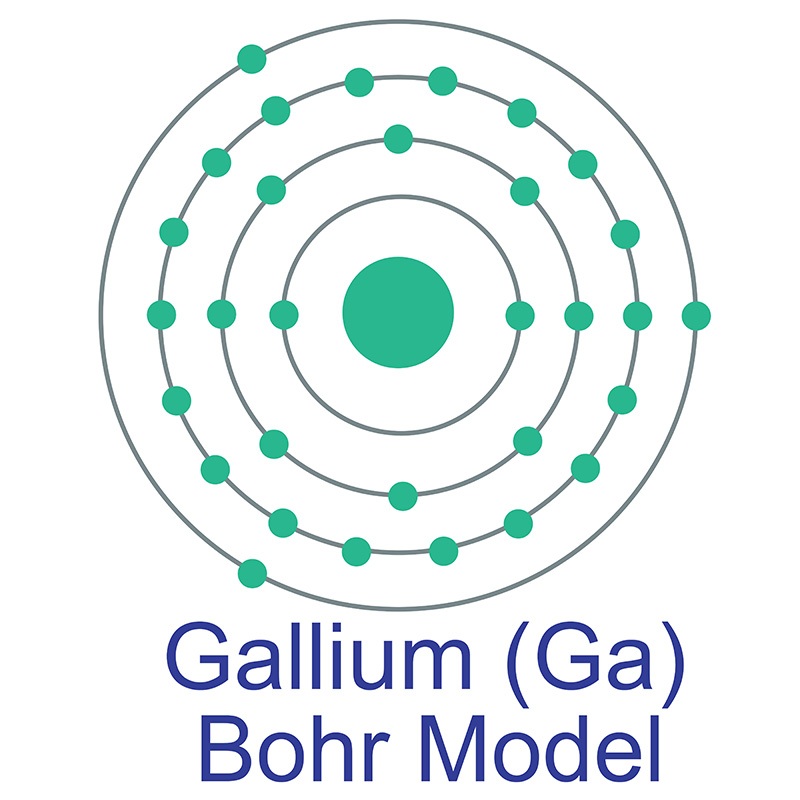 Gallium was predicted by Dmitri Mendeleev in 1871. It was first discovered and isolated by Lecoq de Boisbaudran in 1875. In its elemental form, gallium has a silvery appearance.
  Gallium is one of three elements that occur naturally as a liquid at room temperature, the other two being