American Elements Logo and U.S. Registered Trademark


Zirconium Sulfate Solution
AE Solutions™
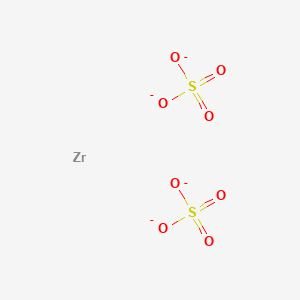
Zr(SO4)2
Product Product Code Order or Specifications
(2N) 99% Zirconium Sulfate Solution ZR-SAT-02-SOL Contact American Elements
(3N) 99.9% Zirconium Sulfate Solution ZR-SAT-03-SOL Contact American Elements
(4N) 99.99% Zirconium Sulfate Solution ZR-SAT-04-SOL Contact American Elements
(5N) 99.999% Zirconium Sulfate Solution ZR-SAT-05-SOL Contact American Elements
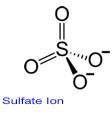
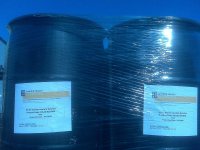
Sulfate IonZirconium Sulfate Solutions are moderate to highly concentrated liquid solutions of Zirconium Sulfate. They are an excellent source of Zirconium Sulfate for applications requiring solubabilzed Compound Solutions Packaging, Bulk Quantity materials. American Elements can prepare dissolved homogenous solutions at customer specified concentrations or to the maximum stoichiometric concentration. Packaging is available in 55 gallon drums, smaller units and larger liquid totes. American Elements maintains solution production facilities in the United States, Northern Europe (Liverpool, UK), Southern Europe (Milan, Italy), Australia and China to allow for lower freight costs and quicker delivery to our customers. .American Elements metal and rare earth compound solutions have numerous applications, but are commonly used in petrochemical cracking and automotive catalysts, water treatment, plating, textiles, research and in optic, laser, crystal and glass applications. Ultra high purity and high purity compositions improve both optical quality and usefulness as scientific standards. Nanoscale (See also Nanotechnology Information and Quantum Dots) elemental powders and suspensions, as alternative high surface area forms, may be considered. We also produce Zirconium Sulfate Powder. Most metal sulfate compounds are readily soluble in water for uses such as water treatment, unlike fluorides and oxides which tend to be insoluble. Organometallic forms are soluble in organic solutions and sometimes in both aqueous and organic solutions. Metallic ions can also be dispersed utilizing suspended or coated nanoparticles (See also application discussion at Nanotechnology Information and at Quantum Dots) and deposited utilizing sputtering targets and evaporation materials for uses such as solar energy materials and fuel cells.American Elements produces to many standard grades when applicable, including Mil Spec (military grade); ACS, Reagent and Technical Grade; Food, Agricultural and Pharmaceutical Grade; Optical Grade, USP and EP/BP (European Pharmacopoeia/British Pharmacopoeia)and follows applicable ASTM testing standards.Typical and custom packaging is available. Additional technical, research and safety (MSDS) information is available as is a Reference Calculator for converting relevant units of measurement.

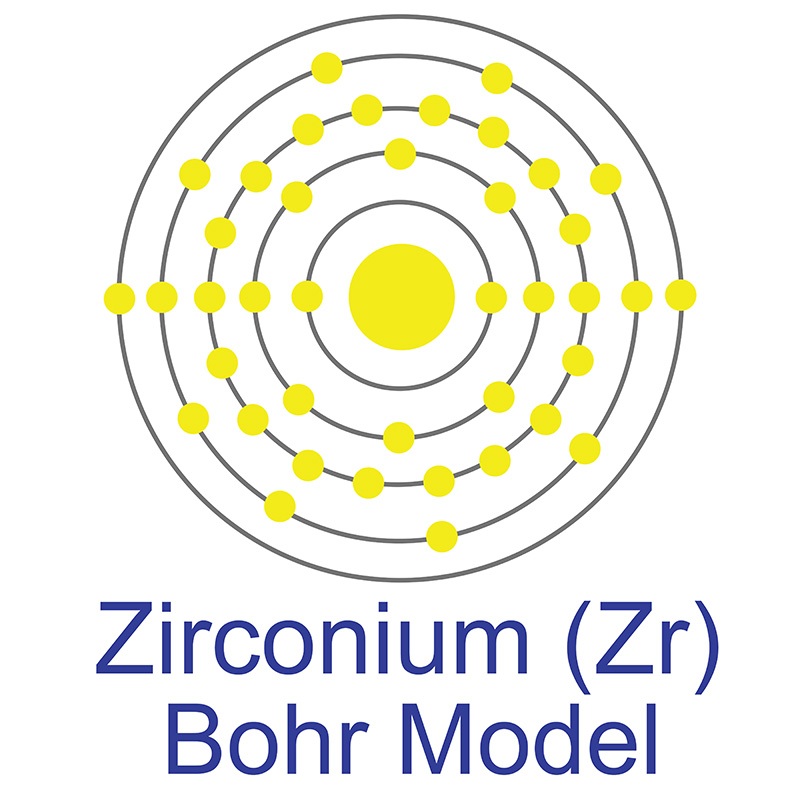
Zirconium(Zr) atomic and molecular weight, atomic number and elemental symbol Zirconium is a Block D, Group 4, Period 5 element. The number of electrons in each of Zirconium's shells is 2, 8, 18, 10, 2 and its electronic configuration is [Kr] 4d2 5s2. In its elemental form zirconium's CAS number is 7440-67-7. The zirconium atom has a radius of 159.pm and it's Van der Waals radius is 200.pm. Zirconium is non-toxic. Zirconium is primarily used in it's oxide or zirconia form. Zirconium dioxide has a high melting point (2,700° C) and a low thermal conductivity. Its polymorphism, however, restricts its widespread use in ceramic industry. During a heating process, zirconia will undergo a phase transformation process. The changeZirconium Bohr Model in volume associated with this transformation makes the usage of pure zirconia in many applications impossible. Addition of some oxides, such as CaO, MgO, and Y2O3, into the zirconia structure in a Elemental Zirconiumcertain degree results in a solid solution, which is a cubic form and has no phase transformation during heating and cooling. This solid solution material is termed as stabilized zirconia, a valuable refractory. Stabilized zirconia is used as a grinding media and engineering ceramics due to its increased hardness and high thermal shock resistivity. Stabilized zirconia is also used in applications such as oxygen sensors and solid oxide fuel cells due to its high oxygen ion conductivity.Zirconium was first discovered by William Gregor in 1791. The name Zirconium originated from the Persian word 'zargun' meaning gold color or gold-like. See Zirconium research below.

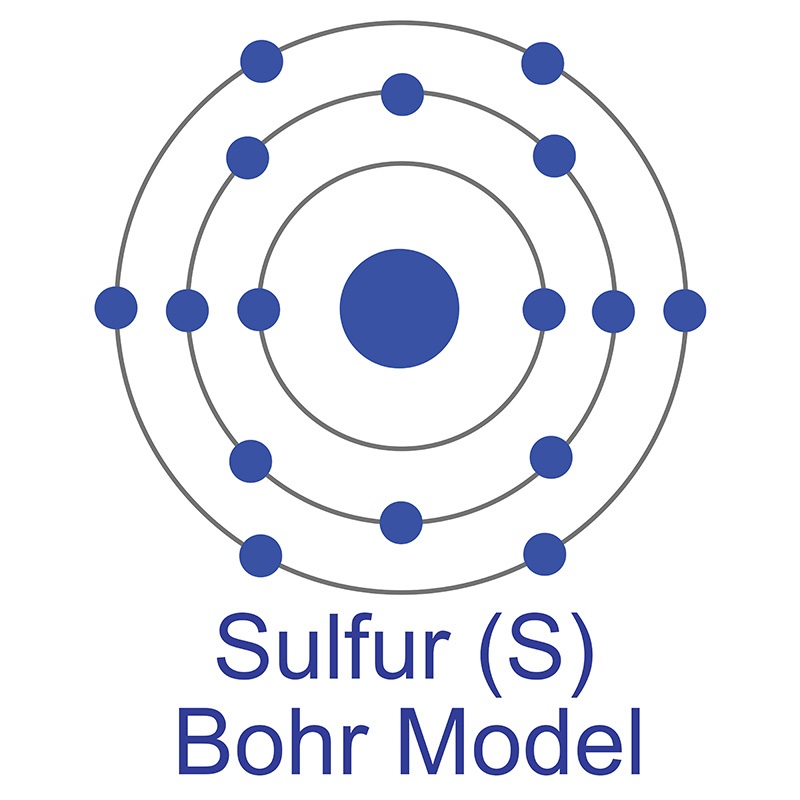
Sulfur(S) Aluminum(Al) atomic and molecular weight, atomic number and elemental symbolSulfur is a Block P, Group 16, Period 3 element. The number of electrons in each of Sulfur's shells is 2, 8, 6 and its electronic configuration is [Ne]3s2 3p4. In its elemental form sulfur's CAS number is 7704-34-9. The sulfur atom has a radius of 100pm and it's Van der Waals radius is 180pm. Sulfur is a crucial element for all life and serves as both fuels and respiratory (oxygen-replacing) materials for simple organisms.  In nature, sulfur can be found in hot springs, meteorites, volcanoes, and as galena, gypsum, Epsom salts, and barite. Sulfur, when organically bonded, is a component of all proteins, as the amino acids methionine Sulfur Bohr Modeland cysteine. In organic form, Sulfur is present in the vitamins thiamine and biotin. Sulfur is also a vital part of many enzymes and also in antioxidant molecules like glutathione and thioredoxin.Sulfur is available as compounds with purities from 99% to 99.9999% (ACS grade to ultra-high purity). Sulfur has been known since ancient times but was not accepted as an element until 1777. Antoine Lavoisier helped to convince the scientific commuity that sulfus is an element and not a compound. See Sulfur research below.

Formula CAS No. Appearance Molecular Weight
Zr(SO4)2 34806-73-0 White to Clear Liquid 283.34
PRODUCT CATALOG News Foil Submicron & Nanopowder Tolling Ultra High Purity Sputtering Target Crystal Growth Rod, Plate, Powder, etc. Home

Have a Question? Ask a Chemical Engineer or Material Scientist   Request an MSDS or Certificate of Analysis


Search by Material, Product Name, Product Code, CAS Number, Formula, Element, Anion, Form, EC Number, MDL Number or PubChem ID.
German   Korean   French   Japanese   Spanish   Chinese (Simplified)   Portuguese   Russian   Chinese (Taiwan)   Italian   Turkish   Polish   Dutch   Czech   Swedish   Hungarian   Danish   Hebrew

Production Catalog Available in 36 Countries & Languages

PACKAGING SPECIFICATIONS FOR BULK & RESEARCH QUANTITIES


Typical bulk packaging includes palletized plastic 5 gallon/25 kg. pails, fiber and steel drums to 1 ton super sacks in full container (FCL) or truck load (T/L) quantities. Research and sample quantities and hygroscopic, oxidizing or other air sensitive materials may be packaged under argon or vacuum. Shipping documentation includes a Certificate of Analysis and Material Safety Data Sheet (MSDS). Solutions are packaged in polypropylene, plastic or glass jars up to palletized 440 gallon liquid totes.


Show me more forms of Zirconium
 
Customers for this product have also looked at:
Aluminum Zirconium Alloy Zirconium Wire Zirconium Powder Zirconium Oxide Zirconium Pellets
Zirconium Acetate Zirconium Foil Zirconium Oxide Pellets Zirconium Metal Zirconium Acetylacetonate
Zirconium Nitrate Solution Zirconium Nanoparticles Zirconium Scandium Iron Alloy Zirconium Sputtering Target Zirconium Chloride


Recent Research & Development for Zirconium

  • Zirconium arsenate-modified silica nanoparticles for specific capture of phosphopeptides and direct analysis by matrix-assisted laser desorption/ionization mass spectrometry. Zhao PX, Guo XF, Wang H, Qi CB, Xia HS, Zhang HS. Anal Bioanal Chem. 2011 Nov 22. [Epub ahead of print] PMID: 22105300 [PubMed - as supplied by publisher]

  • A surface derivatization strategy for combinatorial analysis of cell response to mixtures of protein domains. Chiang C, Karuri SW, Kshatriya PP, Schwartz J, Schwarzbauer JE, Karuri NW. Langmuir. 2011 Nov 21. [Epub ahead of print] PMID: 22103809 [PubMed - as supplied by publisher]

  • Environmentally stable flexible metal-insulator-metal capacitors using zirconium-silicate and hafnium-silicate thin film composite materials as gate dielectrics. Meena JS, Chu MC, Wu CS, Ravipati S, Ko FH. J Nanosci Nanotechnol. 2011 Aug;11(8):6858-67. PMID: 22103091 [PubMed - in process]

  • Highly sensitive protein kinase activity assay based on electrochemiluminescence nanoprobes. Zhao Z, Zhou X, Xing D. Biosens Bioelectron. 2011 Oct 25. [Epub ahead of print] PMID: 22100765 [PubMed - as supplied by publisher]

  • Corrosion fatigue behavior of a biocompatible ultrafine-grained niobium alloy in simulated body fluid. Rubitschek F, Niendorf T, Karaman I, Maier HJ. J Mech Behav Biomed Mater. 2012 Jan;5(1):181-92. Epub 2011 Sep 8. PMID: 22100093 [PubMed - in process]

  • Fabrication and characterization of biocompatible nacre-like structures from ?-zirconium hydrogen phosphate hydrate and chitosan. Waraich SM, Hering B, Burghard Z, Bill J, Behrens P, Menzel H. J Colloid Interface Sci. 2011 Oct 29. [Epub ahead of print] PMID: 22099057 [PubMed - as supplied by publisher]

  • Wear resistance of experimental titanium alloys for dental applications. Faria AC, Rodrigues RC, Claro AP, de Mattos Mda G, Ribeiro RF. J Mech Behav Biomed Mater. 2011 Nov;4(8):1873-9. Epub 2011 Jun 15. PMID: 22098886 [PubMed - in process]

  • Carbon Fiber-Reinforced Cyanate Ester/Nano-ZrW(2)O(8) Composites with Tailored Thermal Expansion. Badrinarayanan P, Rogalski MK, Kessler MR. ACS Appl Mater Interfaces. 2011 Nov 18. [Epub ahead of print] PMID: 22098430 [PubMed - as supplied by publisher]

  • Single-step fabrication of nanolamellar structured oxide ceramic coatings by metal-organic chemical vapor deposition. Eils NK, Mechnich P, Keune H, Wahl G, Klages CP. J Nanosci Nanotechnol. 2011 Sep;11(9):8396-402. PMID: 22097592 [PubMed - in process]

  • Metalcones: hybrid organic-inorganic films fabricated using atomic and molecular layer deposition techniques. George SM, Lee BH, Yoon B, Abdulagatov AI, Hall RA. J Nanosci Nanotechnol. 2011 Sep;11(9):7948-55. PMID: 22097511 [PubMed - in process]

  • Reliability and fatigue failure modes of implant-supported aluminum-oxide fixed dental prostheses. Stappert CF, Baldassarri M, Zhang Y, Hänssler F, Rekow ED, Van P Thompson. Clin Oral Implants Res. 2011 Sep 5. doi: 10.1111/j.1600-0501.2011.02281.x. [Epub ahead of print] PMID: 22093019 [PubMed - as supplied by publisher]

  • Titanium-zirconium alloy narrow-diameter implants (Straumann Roxolid(®) ) for the rehabilitation of horizontally deficient edentulous ridges: prospective study on 18 consecutive patients. Chiapasco M, Casentini P, Zaniboni M, Corsi E, Anello T. Clin Oral Implants Res. 2011 Aug 18. doi: 10.1111/j.1600-0501.2011.02296.x. [Epub ahead of print] PMID: 22092806 [PubMed - as supplied by publisher]

  • Retention of implant-supported zirconium oxide ceramic restorations using different luting agents. Nejatidanesh F, Savabi O, Shahtoosi M. Clin Oral Implants Res. 2011 Nov 14. doi: 10.1111/j.1600-0501.2011.02358.x. [Epub ahead of print] PMID: 22092303 [PubMed - as supplied by publisher]

  • Tetra-kis(picolinato-?N,O)zirconium(IV) dihydrate. Steyn M, Visser HG, Roodt A, Muller TJ. Acta Crystallogr E Struct Rep Online. 2011 Sep 1;67(Pt 9):m1240-1. Epub 2011 Aug 17. PMID: 22065566 [PubMed]

  • 2,4-Pentanediolate as an Alkoxide/Diketonate "Hybrid" Ligand and the Formation of Aluminum and Zirconium Derivatives. Bierschenk EJ, Wilk NR, Hanusa TP. Inorg Chem. 2011 Nov 4. [Epub ahead of print] PMID: 22053749 [PubMed - as supplied by publisher]

  • Ultrasound-assisted synthesis of mesoporous zirconia-hydroxyapatite nanocomposites and their dual surface affinity for Cr3+/Cr2O72- ions. Achelhi K, Masse S, Laurent GP, Roux C, Laghzizil A, Saoiabi A, Coradin T. Langmuir. 2011 Nov 4. [Epub ahead of print] PMID: 22053732 [PubMed - as supplied by publisher]

  • Synthesis, Characterization, and Materials Chemistry of Group 4 Silylimides. Cosham SD, Johnson AL, Molloy KC, Kingsley AJ. Inorg Chem. 2011 Nov 4. [Epub ahead of print] PMID: 22053704 [PubMed - as supplied by publisher]

  • Influence of cement thickness on resin-zirconia microtensile bond strength. Lee TH, Ahn JS, Shim JS, Han CH, Kim SJ. J Adv Prosthodont. 2011 Sep;3(3):119-25. Epub 2011 Sep 25. PMID: 22053241 [PubMed]

  • Reliability of a new biokinetic model of zirconium in internal dosimetry: part ii, parameter sensitivity analysis. Li WB, Greiter M, Oeh U, Hoeschen C. Health Phys. 2011 Dec;101(6):677-92. PMID: 22048486 [PubMed - in process]

  • Reliability of a new biokinetic model of zirconium in internal dosimetry: part I, parameter uncertainty analysis. Li WB, Greiter M, Oeh U, Hoeschen C. Health Phys. 2011 Dec;101(6):660-76. PMID: 22048485 [PubMed - in process]

Recent Research & Development for Sulfur

  • Self-assembly of a sulphur-terminated graphene nanoribbon within a single-walled carbon nanotube. Chuvilin A, Bichoutskaia E, Gimenez-Lopez MC, Chamberlain TW, Rance GA, Kuganathan N, Biskupek J, Kaiser U, Khlobystov AN. Nat Mater. 2011 Aug 7. doi: 10.1038/nmat3082. [Epub ahead of print] PMID: 21822259 [PubMed - as supplied by publisher]

  • Crystallization and preliminary X-ray analysis of the yeast tRNA-thiouridine modification protein 1 (Tum1p). Qiu R, Wang F, Liu M, Yang Z, Wu T, Ji C. Acta Crystallogr Sect F Struct Biol Cryst Commun. 2011 Aug 1;67(Pt 8):953-5. Epub 2011 Jul 27. PMID: 21821903 [PubMed - in process]

  • Characterization of Bacillus thuringiensis L-isoleucine dioxygenase toward the production of useful amino acids. Hibi M, Kawashima T, Kodera T, Smirnov SV, Sokolov PM, Sugiyama M, Shimizu S, Yokozeki K, Ogawa J. Appl Environ Microbiol. 2011 Aug 5. [Epub ahead of print] PMID: 21821743 [PubMed - as supplied by publisher]

  • Characterization of the sulfurtransferase family from Oryza sativa L. Guretzki S, Papenbrock J. Plant Physiol Biochem. 2011 Jul 23. [Epub ahead of print] PMID: 21821426 [PubMed - as supplied by publisher]

  • Development of a small-scale bioreactor method to monitor the molecular diversity and environmental impacts of bacterial biofilm communities from an acid mine drainage impacted creek. Cole M, Wrubel J, Henegan P, Janzen C, Holt J, Tobin T. J Microbiol Methods. 2011 Jul 28. [Epub ahead of print] PMID: 21821067 [PubMed - as supplied by publisher]

  • In situ incorporation of nickel nanoparticles into the mesopores of MCM-41 by manipulation of solvent-solute interaction and its activity toward adsorptive desulfurization of gas oil. Samadi-Maybodi A, Teymouri M, Vahid A, Miranbeigi A. J Hazard Mater. 2011 Jul 6. [Epub ahead of print] PMID: 21820806 [PubMed - as supplied by publisher]

  • Stearoyl-CoA desaturase is an essential enzyme for the parasitic protist Trypanosoma brucei. Alloatti A, Gupta S, Gualdrón-López M, Nguewa PA, Altabe SG, Deumer G, Wallemacq P, Michels PA, Uttaro AD. Biochem Biophys Res Commun. 2011 Jul 28. [Epub ahead of print] PMID: 21820408 [PubMed - as supplied by publisher]

  • The use of multi-element stable isotope analysis to monitor the origin of chondroitin sulfates. Thomas F, Jamin E, Shimoo K, Nagao J, Osaki Y, Granier C. Rapid Commun Mass Spectrom. 2011 Sep 15;25(17):2533-7. doi: 10.1002/rcm.5159. PMID: 21818814 [PubMed - in process]

  • Sulphur isotopes in animal hair track distance to sea. Zazzo A, Monahan FJ, Moloney AP, Green S, Schmidt O. Rapid Commun Mass Spectrom. 2011 Sep 15;25(17):2371-8. doi: 10.1002/rcm.5131. PMID: 21818798 [PubMed - in process]

  • Experimental and Theoretical Evidence of Aromatic Behavior in Heterobenzene-Like Molecules with Metal-Metal Multiple Bonds. Fang W, He Q, Tan ZF, Liu CY, Lu X, Murillo CA. Chemistry. 2011 Aug 4. doi: 10.1002/chem.201003693. [Epub ahead of print] PMID: 21818792 [PubMed - as supplied by publisher]

  • Rhodovulum phaeolacus sp. nov. a phototrophic alphaproteobacterium isolated from a brown pond. Venkata Naga Satya Lakshmi K, Sasikala C, Venkata Ramana V, Veera Venkata Ramaprasad E, Venkata Ramana C. J Gen Appl Microbiol. 2011;57(3):145-51. PMID: 21817826 [PubMed - in process]

  • Comparative data on effects of leading pretreatments and enzyme loadings and formulations on sugar yields from different switchgrass sources. Wyman CE, Balan V, Dale BE, Elander RT, Falls M, Hames B, Holtzapple MT, Ladisch MR, Lee YY, Mosier N, Pallapolu VR, Shi J, Thomas SR, Warner RE. Bioresour Technol. 2011 Jun 21. [Epub ahead of print] PMID: 21816612 [PubMed - as supplied by publisher]

  • Target loads of atmospheric sulfur deposition for the protection and recovery of acid-sensitive streams in the Southern Blue Ridge Province. Sullivan TJ, Cosby BJ, Jackson WA. J Environ Manage. 2011 Aug 2. [Epub ahead of print] PMID: 21816535 [PubMed - as supplied by publisher]

  • Differential effects of a post-anthesis fertilizer regimen on the wheat flour proteome determined by quantitative 2-DE. Altenbach SB, Tanaka CK, Hurkman WJ, Whitehand LC, Vensel WH, Dupont FM. Proteome Sci. 2011 Aug 4;9(1):46. [Epub ahead of print] PMID: 21816081 [PubMed - as supplied by publisher]

  • Comparative toxicity of arsenic metabolites in human bladder cancer EJ-1 cells. Naranmandura H, Michael CW, Xu S, Lee J, Leslie E, Weinfeld M, Le XC. Chem Res Toxicol. 2011 Aug 4. [Epub ahead of print] PMID: 21815631 [PubMed - as supplied by publisher]

  • The Effects of Different Garlic-derived Allyl Sulfides on Peroxidative Processes and Anaerobic Sulfur Metabolism in Mouse Liver. Iciek MB, Kowalczyk-Pachel D, Kwiecien I, Dudek MB. Phytother Res. 2011 Aug 4. doi: 10.1002/ptr.3572. [Epub ahead of print] PMID: 21815229 [PubMed - as supplied by publisher]

  • A combined model of hepatic polyamine and sulfur amino acid metabolism to analyze S-adenosyl methionine availability. Reyes-Palomares A, Montañez R, Sánchez-Jiménez F, Medina MA. Amino Acids. 2011 Aug 4. [Epub ahead of print] PMID: 21814788 [PubMed - as supplied by publisher]

  • Microbial gene functions enriched in the Deepwater Horizon deep-sea oil plume. Lu Z, Deng Y, Van Nostrand JD, He Z, Voordeckers J, Zhou A, Lee YJ, Mason OU, Dubinsky EA, Chavarria KL, Tom LM, Fortney JL, Lamendella R, Jansson JK, D'haeseleer P, Hazen TC, Zhou J. ISME J. 2011 Aug 4. doi: 10.1038/ismej.2011.91. [Epub ahead of print] PMID: 21814288 [PubMed - as supplied by publisher]

  • 1,1'-(3-Methyl-4-phenylthieno[2,3-b]thiophene-2,5-diyl)diethanone as a Building Block in Heterocyclic Synthesis. Novel Synthesis of Some Pyrazole and Pyrimidine Derivatives. Mabkhot YN, Al-Majid AM, Barakat A, Alshahrani S, Siddiqui Y. Molecules. 2011 Aug 3;16(8):6502-11. PMID: 21814162 [PubMed - in process]

  • Towards the Growth of an Aligned Single-Layer MoS2 Film. Kim D, Sun D, Lu W, Cheng Z, Zhu Y, Le D, Rahman TS, Bartels L. Langmuir. 2011 Aug 3. [Epub ahead of print] PMID: 21812475 [PubMed - as supplied by publisher]


USA Science & Engineering FestivalSponsors of the United States Science & Engineering Festival on April 28, 2012 in Washington D.C. Please join us and our customers & co-sponsors NASA, Lockheed Martin and the Department of Defense inspiring the next generation of scientists and engineers.


  Print this Page
Periodic table of the elements science and academic information, elements and advanced materials data, scientific presentations and all pages, designs, concepts, logos, and color schemes herein are the copyrighted proprietary rights and intellectual property of American Elements. American Elements is a U.S. Registered Trademark. © 2001-2012. American Elements. All rights reserved.
Learn Six Sigma


American Elements is a copyrighted U.S. Trademark. All rights reserved.