About Alloys
Alloys are technically solid solutions consisting of a metal and at least one other element. In the microstructure of an alloy, the component elements may or may not be homogenously distributed, and the crystal structure may vary throughout the material, or may be consistent, depending on the thermal history of the material. In contrast, in intermetallic compounds, the different elements have designated spots within the microstructure of the material, and the material exhibits a well-defined stoichiometry. Intermetallic compounds are frequently grouped with and referred to as alloys. Both alloys and intermetallics can exhibit a wide range of properties depending on material composition and processing.
#6: American Elements Supplies Scandium/Aluminum Alloy to Sports Equipment Manufacturers
Methods of Alloy Production
Cold Working
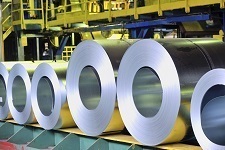 Cold working processes are used to alter the shape or size of a material by plastic deformation. Methods applying a cold working process include rolling, drawing, pressing, spinning, extruding and heading. Rolling is a metal forming process involving passing metal through rolls to reduce the metal thickness or make the metal surface and structure more uniform.
Heat Treatment: Annealing, Tempering, & Quenching
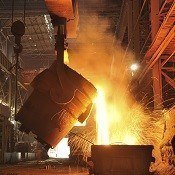 A number of heat treatment methods are used to modify metal alloys depending on the specific base metal and application. Common methods include annealing, tempering and quenching. Annealing involves heating metal alloys above the critical temperature followed by slow controlled cooling. Annealing is commonly applied to ferrous alloys in order to produce a uniform material microstructure. Tempering is frequently applied to steel and involves heating the steel below the alloy’s critical temperature in order to enhance strength. Quenching cools the metal alloy at a rapid rate producing a harder metal in ferrous alloys and a softer metal in non-ferrous alloys.
Heat treatment processes are also used to increase strength and hardness of heat treatable alloys. The heat treatment of aluminum alloys involves three steps: (1) solution heat treatment resulting in dissolution of soluble phases, (2) quenching to the point of super-saturation, and (3) age hardening to precipitate solute atoms at ambient or other temperatures.
Electroplating
Electroplating or electro-deposition is the process of applying a thin layer or plate of metal onto an electrically conductive surface. Electroplating is often a finishing process for a given product. For example, depositing a corrosion resistant metal alloy, such as zinc-based alloys, onto a metallic surface can give the finished product corrosion resistance properties.
Thermal Spraying
Thermal spraying is a process used to deposit metallic or non-metallic materials as liquid droplets or molten solid particles onto a surface to create a coating. Thermal spraying is used to protect materials from wear, friction, and corrosion as well as to enhance a variety of material properties such as strength, hardness, heat resistance, and oxidation.
Types of Alloys
Alloys by Composition
Ferrous
Steels
Steel is composed of iron alloyed to carbon with the addition of other elements that provide a variety of properties to the finished product. The carbon content of a given steel must be more than 0.002% but less than 2.1% by weight. Pure iron without the addition of carbon is too soft and ductile to be useful for most applications, while concentrations about 2.1% produce an alloy that is brittle and impractical to work with using conventional metalworking techniques. Additional elements added to steel alloys include chromium, silicon, boron, nickel, molybdenum, vanadium and manganese.
Alloy steels are divided into two groups: high alloy steels and low alloy steels. High alloy steel refers to steel alloyed with more than 8% of its weight comprising other elements besides the base iron and carbon. Low alloy steels are modified by additional elements to enhance corrosion resistance, toughness, and durability. Stainless steel is the most common alloy steel comprised of 10% chromium. This steel alloy is known for its resistance to corrosion, oxidation and staining.
Cast Iron
Cast iron is a form of iron alloy that has been heated until liquefied, and then poured into a mold to solidify. It typically contains slightly more carbon than steel (2.1-4%) and 1-3% silicon, and additional elements may be added to alter the properties of the material. The addition of manganese and/or magnesium can increase the ductility of cast iron, while the addition of nickel increases strength and resistance to heat and corrosion.
Non-Ferrous
Bronze
Bronze is an alloy comprised of copper and one or more additional elements included to increase the material’s hardness—most often, this element is tin. Varying compositions of the two metals can be used produce bronze, however true bronze is considered be comprised of 90% copper and 10% tin. Additional elements including lead, arsenic, phosphorous, and manganese are added to produce bronze with specific properties.
Brass
Brass is an alloy comprise of copper and zinc, the compositions of which can be varied to alter the properties the final material. It exhibits a gold-like appearance, low metal-on-metal friction, and excellent acoustic properties, which lend it to use in decorative applications, locks and gears, and musical instruments respectively. Additionally, brass will not produce sparks when struck against a hard object, and is therefore used in fittings and tools in the vicinity of explosive gases.
Precious Metals
Precious metal alloys are contain gold, silver, platinum, palladium, or iridium. These metal alloys are frequently used in coinage, decorative objects and fine jewelry. Several examples of precious metal alloys include sterling silver, titanium gold, and colored gold. Sterling silver is a blend of 92.5% silver and 7.5% by mass of other metals often copper. Sterling silver is used in decorative objects and jewelry. The alloy provides strength not found in pure silver however may be less prone to the effects of oxidation such as tarnish and corrosion. Titanium gold is used in dentistry, ceramics, and jewelry. Colored gold can appear in white, reddish hues, green, grey, purple (intermetallic treatment with aluminum), blue (intermetallic treated with indium), and black (surface treatments or potassium sulfide treatment).
Amalgams
The liquid metal mercury is capable of dissolving many other metals to form amalgams, which may be soft pastes or liquid at ambient temperature. Amalgams are sometimes used for dental fillings, and additionally can be used in plating applications, as the amalgam can be applied to a surface and the mercury evaporated away, leaving a thin coating of the other component metals.
Alloys by Property
Refractory Alloys
Refractory alloys have high heat resistance and hardness properties. Five elements frequently found in refractory alloys include niobium, molybdenum, tantalum, tungsten, and rhenium. Common features that are shared among these metals are a melting point over 2000°C and high hardness at room temperature. Due to their high melting points, these metals are creep resistant at high temperatures. Niobium and tungsten are frequently used for high temperature applications such as weaponry, rocket nozzles and nuclear fuel rods. Molybdenum is another refractory metal alloy often used in high temperature metalwork associated with construction and manufacturing processes.
Low Temperature Alloys
Metal alloys exhibiting low melting points include fusion alloys such as lead, tin, cadmium, indium, and bismuth-based alloys. Lead and tin based alloys are frequently used in soldering applications.
Shape Memory Alloys
Shape memory alloys are alloys that "remember" their original shape. This property enables these materials to restore their original shape after heat induced deformation. Two common shape memory alloys are copper-aluminum-nickel and nickel-titanium alloys (commonly referred to as Nickel Titanium Alloy). Shape memory alloys have applications in the automotive, aerospace, biomedical, and robotics industries. Common products using shape memory alloys include piping, pneumatic systems, actuators, and medical devices.
Heat Treatable Alloys
Heat treatable alloys are classified depending on their specific phase change behavior as eutectoid, hypo-eutectoid and hyper-eutectoid alloys. These alloys are heat treated for the purpose of changing their mechanical or physical properties. Common heat treatable alloy systems include aluminum alloys and iron-carbon alloys.
Fusible Alloys
Fusible alloys are easily melted at low temperatures. This class of alloys is often described to have a melting point below 150°C. This shared property makes fusible alloys ideal for soldering applications.
Magnetic Alloys
Magnetic alloys are capable of producing magnetic fields for a continuous period of time at ambient temperature. There are three primary magnetic elements including iron, nickel, and cobalt. Rare earth metals can also produce alloys with permanent magnetic properties. Several examples of magnetic alloys include nickel-iron (Permalloy), samarium-cobalt (SmCo), neodymium-iron-cobalt, neodymium-iron-boron (NdFeB), and aluminum-nickel-cobalt (AlNiCo). Permalloy is a magnetic alloy comprised of approximately 20% iron and 80% nickel commonly used as a magnetic core in electronic equipment and as a shield in magnetic shielding applications. Magnetic neodymium alloys, primarily composed of neodymium iron boron and have the highest strength-to-weight ratio of any available magnets. Neodymium magnets are therefore used in a number of applications such as electric motors, NMR spectrometers, magnetic resonance imaging (MRI), and loudspeakers. Samarian-cobalt alloys produce magnets second in strength to neodymium magnets but with greater resistance to demagnetization at high temperatures, making samarium-cobalt magnets the material of choice in higher temperature applications.
Thermoelectric Alloys
Thermoelectric alloys are capable of directly converting temperature gradients to electrical voltage and vice versa. This property is useful in applications such as in power generation and in refrigeration. Bismuth telluride is a common thermoelectric alloy often used in combination with either antimony or selenium.
Resistance Alloys
Resistance alloys are highly resistant to heat and heat induced oxidation. These alloys are used in applications requiring resistance to corrosion and frequent exposure to high temperatures. A common resistance alloy is nickel-chromium alloy providing high heat resistance, high oxidation resistance, and strength. Industrial furnaces operate at high temperatures and therefore require components and equipment to withstand these temperatures, thus making resistance alloys ideal for such applications.
Master Alloys
Master alloys are frequently referred to as grain refiners or hardeners and are used as raw materials in metallurgy and product manufacturing. Common master alloys include aluminum-, titanium-, copper- , lead-, nickel/cobalt/iron- and zinc- based master alloys. Master alloys are utilized in industrial furnaces, aerospace components, military hardware and medical implants.
Superalloys
Superalloys exhibit high mechanical strength and creep resistance, even under extreme environmental conditions. These alloys are used in applications where materials are exposed to high temperature for extended durations such as in aircraft engines, turbines, and chemical processing plants. Nickel-based superalloys, for example, are commonly used in gas turbines, nuclear reactors, and jet engines. Common superalloys include Hastelloy 276, Hastelloy X, and Inconel 718.
Type Metals
Type metals or hot metals are alloy metals consisting of lead with antimony, tin and copper. The alloy was used in type molds for typesetting to enable a fine and clear impression of a mold, and remains in use for some specialty metal casting applications.
Amorphous Alloys
An amorphous metal alloy, commonly referred to as a metallic glass or glassy metal, has a disordered structure on an atomic scale, rather than the crystalline structure more typical of metals. These are typically produced through extremely rapid cooling which locks the material into a solid state before crystal structures are able to form. Bulk metallic glasses are alloys that have a critical cooling rate low enough to allow them to take on an amorphous structure even when formed in thick enough layers to produce functional objects rather than just coatings. These materials are ideally suited to casting, as unlike crystalline metals they retain good properties following casting, exhibit almost no shrinkage during cooling, and can be manipulated for casting through similar processes to those used for thermoplastics. Amorphous materials typically have higher strength than crystalline materials of the same composition.
- Bismuth Lead Tin Silver Alloy
- Bismuth Lead Tin Silver Alloy
- Chromium Cobalt Platinum Alloy
- Chromium Cobalt Platinum Tantalum
- Chromium Manganese Palladium Alloy
- Chromium Manganese Platinum Alloy
- Cobalt Palladium Alloy
- Cobalt Platinum Alloy
- Cobalt Rhodium Zirconium
- Copper Silver Alloy
- Copper Silver Inquarts
- Copper Tin Silver Alloy
- Copper Zinc Silver Alloy
- Germanium Gold Alloy
- Gold Antimony
- Gold Beryllium Pellets
- Gold Beryllium Pieces
- Gold Beryllium Rod
- Gold Beryllium Slugs
- Gold Copper Alloy
- Gold Copper Nickel Alloy
- Gold Copper Palladium Alloy
- Gold Germanium Eutectic Foil
- Gold Germanium Pellets
- Gold Indium Alloy
- Gold Nickel Foil
- Gold Nickel Palladium Alloy
- Gold Phosphorus Alloy
- Gold Platinum Palladium Silver Indium Alloy Particles
- Gold Platinum Palladium Silver Indium Alloy Powder
- Gold Silicon Alloy
- Gold Silicon Alloy
- Gold Silver Copper Alloy
- Gold Silver Copper Alloy Particles
- Gold Silver Copper Alloy Powder
- Gold Silver Palladium Alloy
- Gold Silver Tin Alloy
- Gold Tin Alloy
- Gold Tin Foil
- Gold Tin Pellets
- Gold/Palladium Foil
- Gold/Palladium Tube
- Gold/Palladium Wire
- Gold/Platinum/Palladium Powder
- Indium Lead Silver Alloy
- Indium Silver Alloy
- Indium Silver Foil
- Indium Silver Rod
- Iridium Manganese
- Lead Indium Silver Alloy
- Lead Silver Alloy
- Lead Silver Antimony Alloy
- Lead Silver Tin Alloy
- Lead Tin Silver Alloy
- Lead Tin Silver Indium Alloy
- Lead-Silver Inquarts
- Manganese Palladium Platinum
- Manganese Platinum
- Manganese Rhodium
- Molybdenum Rhodium Alloy
- Nickel Platinum Alloy
- Nickel Silver Foil
- Nickel Silver Tube
- Osmium Ruthenium Alloy
- Palladium Chromium Foil
- Palladium Copper Foil
- Palladium Nickel Alloy
- Palladium Silver Foil
- Palladium Silver Silicon Alloy
- Platinum Cobalt on Carbon
- Platinum Iridium Alloy
- Platinum Palladium Gold Alloy
- Platinum Rhodium Alloy
- Platinum Rhodium Foil
- Platinum Rhodium Gauze
- Platinum Rhodium Wire
- Platinum Ruthenium Alloy on Graphitized Carbon
- Platinum Ruthenium Black
- Platinum Ruthenium Foil
- Platinum Ruthenium on Carbon Black
- Platinum Ruthenium on High Surface Area Advanced Carbon Support
- Platinum Ruthenium Wire
- Platinum/Gold Conductor Paste
- Platinum/Iridium Foil
- Platinum/Iridium Tube
- Platinum/Iridium Wire
- Platinum/Palladium/Gold Conductor Paste
- Platinum Tungsten Alloy
- Silver Bismuth Alloy
- Silver Copper Alloy
- Silver Copper Alloy Particles
- Silver Copper Alloy Powder
- Silver Copper Foil
- Silver Copper Indium Alloy
- Silver Copper Manganese Nickel Alloy
- Silver Copper Nickel Alloy
- Silver Copper Palladium Alloy
- Silver Copper Tin Alloy
- Silver Copper Tin Nickel Alloy
- Silver Copper Titanium Alloy
- Silver Copper Wire
- Silver Copper Zinc Alloy
- Silver Copper Zinc Manganese Nickel Alloy
- Silver Copper Zinc Nickel Alloy
- Silver Copper Zinc Tin Alloy
- Silver Gold Alloy
- Silver Gold Hollow Spheres
- Silver Gold Tube
- Silver Indium Sulfur Granule
- Silver Indium Sulfur Lump
- Silver Indium Sulfur Powder
- Silver Indium Tellurium Granules
- Silver Indium Tellurium Lump
- Silver Indium Tellurium Powder
- Silver Lead Alloy
- Silver Magnesium Alloy
- Silver Magnesium Nickel Alloy
- Silver Nickel
- Silver Palladium Foil
- Silver Silicon Alloy
- Silver Tungsten Electrode
- Silver Zinc Alloy
- Silver Zinc Nickel Alloy
- Silver/Copper Eutectic Brazing Paste
- Silver/Palladium/Platinum Paste
- Silver/Platinum Conductor Paste
- Spangold Alloy
- Tin Antimony Gold Alloy
- Tin Bismuth Copper Silver Alloy
- Tin Bismuth Silver Alloy
- Tin Gold Alloy
- Tin Indium Silver Alloy
- Tin Indium Silver Bismuth Alloy
- Tin Lead Silver Alloy
- Tin Silver Alloy
- Tin Silver Copper Alloy
- Tin Silver Zinc Alloy
- Titanium Palladium Alloy
- Titanium Palladium Foil
- Titanium Platinum Alloy
- Tungsten Silver Alloy
- Zirconium Silver Alloy
- Aluminum Niobium Tantalum
- C-103 Niobium Alloy
- Cerium Tungsten Electrode
- Chrome-Plated Tungsten Rods
- Chromium Molybdenum Alloy
- Chromium Nickel Tungsten Alloy
- Cobalt Chromium Molybdenum Alloy
- Cobalt Chromium Tungsten Nickel Manganese
- Cobalt Hafnium Niobium
- Cobalt Molybdenum Alloy
- Cobalt Nickel Chromium Molybdenum Alloy
- Cobalt Niobium Titanium Alloy
- Cobalt Niobium Zirconium Alloy
- Cobalt Tungsten Alloy
- Copper Clad Molybdenum
- Lanthanated Tungsten Electrode
- Molybdenum Aluminum Alloy
- Molybdenum Chromium Alloy
- Molybdenum Copper Heat Sinks
- Molybdenum Copper Wafers
- Molybdenum Rhenium Alloy
- Molybdenum Rhenium Foil
- Molybdenum Titanium Alloy
- Molybdenum Tungsten Alloy
- Nickel Chromium Cobalt Molybdenum Titanium Aluminum Alloy
- Nickel Chromium Molybdenum Boron Alloy Particles
- Nickel Chromium Molybdenum Boron Alloy Powder
- Nickel Chromium Tungsten Alloy
- Nickel Molybdenum Alloy
- Nickel Niobium Alloy
- Niobium Tin Alloy
- Niobium Tin Powder
- Niobium Tin Wire
- Niobium Titanium Alloy
- Niobium Titanium Chromium Aluminum Alloy
- Tantalum Titanium Alloy
- Tantalum Tungsten Alloy
- Tantalum Tungsten Foil
- Tantalum Zirconium Alloy
- Thoriated Tungsten Electrode
- Titanium Aluminum Niobium Alloy
- Titanium Based Aluminum Molybdenum Zirconium Alloy
- Titanium Based Molybdenum Zirconium Tin Alloy
- Titanium based Niobium Zirconium Alloy
- Titanium based Niobium Zirconium Tantalum Alloy
- Titanium Molybdenum Alloy
- Titanium Molybdenum Niobium Aluminum Silicon Foil
- Titanium Niobium Alloy
- Titanium Niobium Tantalum Alloy
- Titanium Tantalum Alloy
- Titanium-based Molybdenum Niobium Alloy
- Titanium-based Molybdenum Zirconium Aluminum Alloy
- Tungsten Alloy Balance Weights
- Tungsten Alloy Collimator Plates
- Tungsten Carbide Copper Alloy
- Tungsten Carbide/Cobalt Rod
- Tungsten Carbide/Cobalt Sheet
- Tungsten Carbide/Cobalt Spheres
- Tungsten Carbide/Cobalt Tube
- Tungsten Carbide/Cobalt Wire
- Tungsten Chromium Alloy
- Tungsten Copper Alloy
- Tungsten Copper Bar
- Tungsten-Copper Electrodes
- Tungsten Copper Foil
- Tungsten Copper Sheet
- Tungsten Copper Sheet
- Tungsten Copper Tube
- Tungsten Copper Wire
- Tungsten Nickel Copper Alloy
- Tungsten Nickel Foam
- Tungsten Nickel Honeycomb
- Tungsten Nickel Sponge
- Tungsten Nickel Wool
- Tungsten Rhenium Alloy
- Tungsten Rhenium Foil
- Tungsten Rhenium Ribbon
- Tungsten Rhenium Rods
- Tungsten Rhenium Wire
- Tungsten Titanium Alloy
- Tungsten Vanadium Alloy
- TZM Molybdenum Alloy Mesh
- Vanadium Tungsten Alloy
- Yttrium Tungsten Electrode
- Zirconium Tungsten Alloy
- Aluminum 1350 Alloy
- Aluminum 2014 Alloy
- Aluminum 2024 Alloy
- Aluminum 3003 Alloy
- Aluminum 4032 Alloy
- Aluminum 5052 Alloy
- Aluminum 6061 Alloy
- Aluminum 7075 Alloy
- Aluminum Alloy Prismatic Cans and Lids
- Aluminum Antimony Alloy
- Aluminum Beryllium Alloy
- Aluminum Bismuth Alloy
- Aluminum Boron Alloy
- Aluminum Bronze Alloy Particles
- Aluminum Bronze Alloy Powder
- Aluminum Calcium Alloy
- Aluminum Cerium Alloy
- Aluminum Chromium Alloy
- Aluminum Cobalt Alloy
- Aluminum Cobalt Yttrium Alloy
- Aluminum Copper Alloy
- Aluminum Copper Magnesium Alloy
- Aluminum Copper Magnesium Manganese Alloy
- Aluminum Copper Manganese Silicon Magnesium Alloy
- Aluminum Copper Silicon
- Aluminum Erbium Sputtering Target
- Aluminum Lead Alloy
- Aluminum Lithium Alloy Particles
- Aluminum Lithium Alloy Powder
- Aluminum Magnesium Alloy
- Aluminum Magnesium Copper Alloy
- Aluminum Magnesium Foil
- Aluminum Magnesium Gauze
- Aluminum Magnesium Silicon Alloy
- Aluminum Magnesium Silicon Copper Alloy
- Aluminum Magnesium Sputtering Target
- Aluminum Manganese Alloy
- Aluminum Manganese Chromium Alloy
- Aluminum Manganese Copper Alloy
- Aluminum Manganese Tube
- Aluminum Nickel Alloy
- Aluminum Nickel Catalyst
- Aluminum Nickel Cobalt Alloy Particles
- Aluminum Nickel Cobalt Alloy Powder
- Aluminum Nickel Copper Magnesium Alloy
- Aluminum Nickel Sputtering Target
- Aluminum Samarium Sputtering Target
- Aluminum Scandium Sputtering Target
- Aluminum Silicon Alloy
- Aluminum Silicon Foil
- Aluminum Silicon Magnesium Alloy
- Aluminum Silicon Magnesium Alloy Particles
- Aluminum Silicon Slug
- Aluminum Silicon Sputtering Target
- Aluminum Silver Sputtering Target
- Aluminum Strontium Alloy
- Aluminum Tin Copper Alloy Particles
- Aluminum Tin Copper Alloy Powder
- Aluminum Titanium Alloy
- Aluminum Titanium Boron Alloy
- Aluminum Transition Lanthanides Alloy
- Aluminum Vanadium Alloy
- Aluminum Zinc Magnesium Copper Chromium Alloy
- Aluminum Zirconium Alloy
- Aluminum Zirconium Vanadium Alloy
- Antimonial Lead Foil
- Antimonial Lead Ingot
- Antimonial Lead Rod
- Antimonial Lead Sheet
- Antimony Gold Alloy
- Arnd's Alloy
- Arsenic Tellurium Silicon Germanium Alloy
- Barium Aluminum Alloy
- Barium Manganate
- Beryllium Copper Alloy
- Beryllium Copper Grids
- Beryllium Copper Lithium Alloy
- Bismuth Antimony Alloy
- Bismuth Antimony Tellurium Granule
- Bismuth Antimony Tellurium Lump
- Bismuth Antimony Tellurium Powder
- Bismuth Cadmium Alloy
- Bismuth Indium Alloy
- Bismuth Indium Cadmium Alloy
- Bismuth Indium Lead Tin Alloy
- Bismuth Indium Tin Alloy
- Bismuth Lead Alloy
- Bismuth Lead Cadmium Alloy
- Bismuth Lead Cadmium Indium Alloy
- Bismuth Lead Cadmium Indium Tin Alloy
- Bismuth Lead Cadmium Tin Alloy
- Bismuth Lead Indium Alloy
- Bismuth Lead Indium Tin Alloy
- Bismuth Lead Indium Tin Cadmium Alloy
- Bismuth Lead Strontium Calcium Copper Oxide
- Bismuth Lead Tin Alloy
- Bismuth Lead Tin Cadmium Alloy
- Bismuth Lead Tin Cadmium Alloy
- Bismuth Lead Tin Cadmium Indium Alloy
- Bismuth Lead Tin Cadmium Indium Alloy
- Bismuth Lead Tin Cadmium Ingot
- Bismuth Lead Tin Indium Alloy
- Bismuth Telluride Alloy Particles
- Bismuth Telluride Alloy Powder
- Bismuth Tin (Eutectic) Lump
- Bismuth Tin Alloy
- Bismuth Tin Cadmium
- Bismuth Tin Indium Lead Alloy
- Bismuth Tin Silver Alloy
- Brass Electrodes
- Bronze Electrodes
- Cadmium Indium Tellurium Granules
- Cadmium Indium Tellurium Lump
- Cadmium Indium Tellurium Powder
- Cadmium Zinc Alloy
- Calcium Aluminum Alloy
- Calcium Magnesium Alloy
- Calcium Silicon Alloy
- Cerium Mischmetal
- Chromium Aluminium Yttrium Alloy Powder
- Chromium Aluminum Yttrium Alloy
- Chromium Aluminum Yttrium Alloy Particles
- Chromium Cobalt Alloy
- Chromium Cobalt Nickel
- Chromium Cobalt Sputtering Target
- Chromium Cobalt Tantalum
- Chromium Copper Alloy
- Chromium Copper Alloy
- Chromium Magnesium Alloy
- Chromium Molybdenum Sputtering Target
- Chromium Nickel Alloy
- Chromium Nickel Copper Alloy
- Chromium Nickel Silicon Alloy
- Chromium Ruthenium
- Chromium Silicon Alloy
- Chromium Tin Alloy
- Chromium Titanium Alloy
- Chromium Vanadium Alloy
- Cobalt Aluminum
- Cobalt Chromium Alloy
- Cobalt Chromium Aluminum
- Cobalt Chromium Aluminum Sputtering Target
- Cobalt Chromium Foam
- Cobalt Chromium Honeycomb
- Cobalt Chromium Powder
- Cobalt Chromium Sponge
- Cobalt Chromium Transition Metals Alloy Powder
- Cobalt Chromium Wool
- Cobalt Magnesium Alloy
- Cobalt Nickel
- Cobalt Nickel Chromium Alloy
- Cobalt Samarium Alloy
- Cobalt Silicon Boron Manganese Foil
- Cobalt Tantalum Zirconium
- Cobalt Titanium Alloy
- Cobalt Titanium Sputtering Target
- Copper Aluminum Foam
- Copper Aluminum Honeycomb
- Copper Aluminum Nickel
- Copper Aluminum Sponge
- Copper Aluminum Wool
- Copper Aluminum Zinc Alloy
- Copper Barium Alloy Particles
- Copper Barium Alloy Powder
- Copper Beryllium Foil
- Copper Boron Alloy
- Copper Cadmium Alloy
- Copper Cadmium Tin Alloy
- Copper Chromium Alloy
- Copper Chromium Nickel Silicon Alloy
- Copper Chromium Zirconium Alloy
- Copper Chromium Zirconium Alloy Particles
- Copper Chromium Zirconium Alloy Powder
- Copper Cobalt Alloy
- Copper Gold Alloy
- Copper Gold Nickel Alloy
- Copper Manganese Nickel Alloy
- Copper Manganese Nickel Alloy Powder
- Copper Manganese Nickel Foil
- Copper Manganese Nickel Rod
- Copper Manganese Nickel Wire
- Copper Nickel Alloy
- Copper Nickel Foil
- Copper Nickel Mesh
- Copper Phosphorus
- Copper Tin Alloy Spherical Powder
- Copper Titanium Tin Alloy Particles
- Copper Titanium Tin Alloy Powder
- Copper Yttrium Alloy Particles
- Copper Yttrium Alloy Powder
- Copper Zinc Alloy
- Copper Zinc Alloy Flakes
- Copper Zinc Alloy Particles
- Copper Zinc Aluminum Nickel Alloy
- Copper Zinc Tin Alloy
- Copper Zirconium Alloy
- Copper Zirconium Alloy Pieces
- Copper Zinc Alloy Powder
- Cupro Nickel Aluminum Alloy
- Dysprosium Erbium Aluminum Alloy
- Gadolinium Silicon Germanium Alloy
- Gallium Indium Tin Alloy
- Gallium Tin Alloy
- Hafnium Aluminum Alloy
- Holmium Copper Alloy
- Indium Bismuth Alloy
- Indium Bismuth Cadmium Alloy
- Indium Bismuth Tin Alloy
- Indium Cadmium Alloy
- Indium Lead Alloy
- Indium Tin Alloy
- Indium Tin Cadmium Alloy
- Indium Tin Foil
- Indium Tin Lead Alloy
- Indium Tin Lead Cadmium Alloy
- Iron Chromium Aluminum Yttrium Alloy
- Lanthanated Moly Balls
- Lanthanated Moly Bands
- Lanthanated Moly Bars
- Lanthanated Moly Concentrate
- Lanthanated Moly Crucibles
- Lanthanated Moly Cylinder
- Lanthanated Moly Disc
- Lanthanated Moly Flanges
- Lanthanated Moly Foam
- Lanthanated Moly Foil
- Lanthanated Moly Granules
- Lanthanated Moly Honeycomb
- Lanthanated Moly Ingot
- Lanthanated Moly Lump
- Lanthanated Moly Alloy
- Lanthanated Moly Parts
- Lanthanated Moly Pellets
- Lanthanated Moly Pieces
- Lanthanated Moly Plate
- Lanthanated Moly Powder
- Lanthanated Moly Puck
- Lanthanated Moly Ribbon
- Lanthanated Moly Rings
- Lanthanated Moly Rocks
- Lanthanated Moly Rod
- Lanthanated Moly Samples
- Lanthanated Moly Shaving
- Lanthanated Moly Sheet
- Lanthanated Moly Shot
- Lanthanated Moly Slugs
- Lanthanated Moly Specimens
- Lanthanated Moly Spheres
- Lanthanated Moly Sponge
- Lanthanated Moly Spring
- Lanthanated Moly Sputtering Target
- Lanthanated Moly Strip
- Lanthanated Moly Tape
- Lanthanated Moly Tube
- Lanthanated Moly Wafer
- Lanthanated Moly Wire
- Lanthanated Moly Wool
- Lanthanum Mischmetal
- Lanthanum Nickel
- Lanthanum Neodymium Alloy
- Lanthanum Nickel Aluminum Alloy
- Lanthanum-Nickel-Cobalt Alloy
- Lead Antimony Alloy
- Lead Antimony Tin Alloy
- Lead Cadmium Alloy
- Lead Indium Alloy
- Lead Indium Antimony Alloy
- Lead Selenium Granule
- Lead Sulfur Hollow Spheres
- Lead Telluride Tin Telluride/Lead Selenide Solid Solution
- Lead Tin Alloy
- Lead Tin Antimony Alloy
- Lead Tin Arsenide Granules
- Lead Tin Arsenide Lump
- Lead Tin Arsenide Powder
- Lithium Aluminum Alloy
- Lithium Borohydride/Magnesium/Tin/Tin
- Lithium Copper Alloy
- Lithium Magnesium Alloy
- Lithium Silicon Alloy
- Lithium Tin Alloy
- Magnesium Aluminum Zinc Alloy
- Magnesium Aluminum Zinc Foil
- Magnesium Nickel Alloy
- Manganese Copper
- Manganese Nickel Alloy
- Manganese Nickel Foil
- Manganese Ruthenium
- Mercury Cadmium Telluride Granules
- Mercury Cadmium Telluride Lump
- Mercury Cadmium Telluride Powder
- Mercury Indium Selenium Granule
- Mercury Indium Selenium Lump
- Mercury Indium Selenium Powder
- Mischmetal Nickel Alloy
- Nickel Aluminides Alloy Particles
- Nickel Aluminides Alloy Powder
- Nickel Beryllium Titanium Foil
- Nickel Boron Silicon Foil
- Nickel Calcium Alloy
- Nickel Cerium Alloy
- Nickel Cerium Alloy Powder
- Nickel Chromium Alloy
- Nickel Chromium Aluminum Alloy
- Nickel Chromium Aluminum Cobalt Alloy
- Nickel Chromium Aluminum Foam
- Nickel Chromium Aluminum Honeycomb
- Nickel Chromium Aluminum Sponge
- Nickel Chromium Aluminum Sputtering Target
- Nickel Chromium Aluminum Wool
- Nickel Chromium Boron Alloy
- Nickel Chromium Canes
- Nickel Chromium Cobalt Alloy
- Nickel Chromium Foam
- Nickel Chromium Foil
- Nickel Chromium Gauze
- Nickel Chromium Honeycomb
- Nickel Chromium Metal
- Nickel Chromium Microfoil
- Nickel Chromium Pellets
- Nickel Chromium Silicon Sputtering Target
- Nickel Chromium Sponge
- Nickel Chromium Sputtering Target
- Nickel Chromium Wool
- Nickel Cobalt Chromium Alloy
- Nickel Cobalt Chromium Aluminum Yttrium Alloy
- Nickel Copper Alloy
- Nickel Copper Foam
- Nickel Copper Honeycomb
- Nickel Copper Metal
- Nickel Copper Silicon Alloy
- Nickel Copper Sponge
- Nickel Copper Sputtering Target
- Nickel Copper Wool
- Nickel Lanthanide Alloy Particles
- Nickel Lanthanides Alloy Powder
- Nickel Manganese Alloy
- Nickel Manganese Gallium Foam
- Nickel Manganese Gallium Honeycomb
- Nickel Manganese Gallium Sponge
- Nickel Manganese Sputtering Target
- Nickel Phosphorus Alloy
- Nickel Silicon Alloy
- Nickel Silicon Boron Alloy
- Nitinol
- Nickel Titanium Alloy
- Nickel Titanium Aluminum Alloy
- Nickel Titanium Bands
- Nickel Titanium Bar
- Nickel Titanium Coil
- Nickel Titanium Coin
- Nickel Titanium Concentrate
- Nickel Titanium Crucibles
- Nickel Titanium Cylinder
- Nickel Titanium Disc
- Nickel Titanium Flanges
- Nickel Titanium Foil
- Nickel Titanium Granules
- Nickel Titanium Ingot
- Nickel Titanium Lump
- Nickel Titanium Mesh
- Nickel Titanium Parts
- Nickel Titanium Pellets
- Nickel Titanium Pieces
- Nickel Titanium Plate
- Nickel Titanium Powder
- Nickel Titanium Puck
- Nickel Titanium Ribbon
- Nickel Titanium Rings
- Nickel Titanium Rod
- Nickel Titanium Samples
- Nickel Titanium Shaving
- Nickel Titanium Sheet
- Nickel Titanium Shot
- Nickel Titanium Silicon Boron Alloy Particles
- Nickel Titanium Silicon Boron Alloy Powder
- Nickel Titanium Sleeves
- Nickel Titanium Slugs
- Nickel Titanium Specimens
- Nickel Titanium Spring
- Nickel Titanium Sputtering Target
- Nickel Titanium Tape
- Nickel Titanium Tubes
- Nickel Titanium Wafer
- Nickel Titanium Wire
- Nickel Vanadium Alloy
- Nickel Yttrium Alloy
- Phosphor Bronze
- Potassium Sodium Ampoule Alloy
- Scandium-Aluminum Alloy
- Silicon Aluminum Nanoparticles
- Silicon Germanium Alloy
- Silicon Nickel Alloy
- Silver Antimony Alloy
- Silver Cadmium Zinc Copper Alloy Particles
- Silver Cadmium Zinc Copper Alloy Powder
- Sodium Lead Alloy
- Sodium Mercury Amalgam
- Tantalum Aluminum Alloy
- Tellurium Copper Alloy
- Tin Antimony Alloy
- Tin Bismuth Zinc Alloy
- Tin Cadmium Alloy
- Tin Copper Alloy
- Tin Indium Alloy
- Tin Lead Alloy
- Tin Lead Antimony Alloy
- Tin Lead Antimony Foil
- Tin Lead Cadmium
- Tin Lead Indium Alloy
- Tin Lead Silver Bismuth Alloy Particles
- Tin Lead Silver Bismuth Alloy Powder
- Tin Silver Antimony Alloy
- Tin Silver Bismuth Copper Alloy
- Tin Zinc Alloy
- Tin Zinc Sputtering Target
- Tinned Copper Wire
- Titanium 6-2-4-2 Alloy
- Titanium Aluminum Alloy
- Titanium Aluminum Vanadium Alloy
- Titanium Aluminum Vanadium Alloy Foil
- Titanium Aluminum Vanadium Sputtering Target
- Titanium Beta III Alloy Foil
- Titanium Chromium Alloy
- Titanium Chromium Molybdenum Alloy
- Titanium Chromium Vanadium Alloy
- Titanium Cobalt Alloy
- Titanium Copper Alloy
- Titanium Gallium Alloy
- Titanium Graphite Alloy
- Titanium Manganese Alloy
- Titanium Nickel Alloy
- Titanium Nickel Copper
- Titanium Nickel Copper Alloy
- Titanium Silicon Alloy
- Titanium Vanadium Alloy
- Titanium Vanadium Chromium Aluminum Foil
- TZM Moly Alloy
- TZM Moly Alloy Balls
- TZM Moly Alloy Bands
- TZM Moly Alloy Bars
- TZM Moly Alloy Coil
- TZM Moly Alloy Concentrate
- TZM Moly Alloy Crucible
- TZM Moly Alloy Cups
- TZM Moly Alloy Cylinder
- TZM Moly Alloy Disc
- TZM Moly Alloy Flanges
- TZM Moly Alloy Foam
- TZM Moly Alloy Foil
- TZM Moly Alloy Granules
- TZM Moly Alloy Honeycomb
- TZM Moly Alloy Ingot
- TZM Moly Alloy Lump
- TZM Moly Alloy Parts
- TZM Moly Alloy Pellets
- TZM Moly Alloy Pieces
- TZM Moly Alloy Plate
- TZM Moly Alloy Powder
- TZM Moly Alloy Puck
- TZM Moly Alloy Ribbon
- TZM Moly Alloy Rings
- TZM Moly Alloy Rod
- TZM Moly Alloy Samples
- TZM Moly Alloy Shaving
- TZM Moly Alloy Sheet
- TZM Moly Alloy Shot
- TZM Moly Alloy Sleeve
- TZM Moly Alloy Slugs
- TZM Moly Alloy Specimens
- TZM Moly Alloy Spheres
- TZM Moly Alloy Sponge
- TZM Moly Alloy Spring
- TZM Moly Alloy Strip
- TZM Moly Alloy Tape
- TZM Moly Alloy Tube
- TZM Moly Alloy Wafer
- TZM Moly Alloy Wire
- TZM Moly Alloy Wool
- Vanadium Aluminum
- Vanadium Aluminum Alloy
- Vanadium Chromium Alloy
- Woods Metal Stick
- Yttrium Aluminum Alloy
- Yttrium Nickel Alloy
- Zinc Aluminum Alloy
- Zinc Cadmium Tellurium Granule
- Zinc Cadmium Tellurium Lump
- Zinc Cadmium Tellurium Powder
- Zinc Copper Alloy
- Zinc Copper Sputtering Target
- Zinc Indium Tellurium Granules
- Zinc Indium Tellurium Lump
- Zinc Indium Tellurium Powder
- Zinc Nickel Alloy
- Zirconium Aluminum Alloy
- Zirconium Copper Alloy
- Zirconium Copper Aluminum Alloy
- Zirconium Nickel Alloy
- Zirconium-Tin Alloy (Zircaloy-4)
- Zirconium Titanium Alloy
- Zirconium Vanadium Alloy
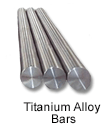
American Elements manufactures a comprehensive catalog of alloy materials in numerous forms and compositions. Above is a selection of offerings from the AEAlloys™ line; you may also request a quote directly for a material. We custom manufacture all materials to customer specifications for shape, size, purity, composition in all amounts including bulk quantities.
Learn more about our custom alloy manufacturing >>>
Applications for Alloys
Construction and Manufacturing
Construction and manufacturing processes such as high temperature metalwork including brazing and welding require robust materials with high melting points and strength. Refractory metals including molybdenum, tantalum, and tungsten are suitable for metal working applications and furnace technologies. Molybdenum is commonly used in structural tubing, piping and stainless steel.
Manufacturing processes such as those for circuitry components incorporate soldering to fuse metals. Soldering is achieved at lower temperatures between 90-450°C. The process requires low melting point metal alloys such as fusible alloys.
Industrial
Aircraft and automobile engines require materials that can withstand high temperatures and retain structural stability. Refractory alloys are used in aerospace applications and engine components. Alloys are also finding use in lubricants as a means to reduce friction.
Automotive
Greases, lubricants and oils used to protect vehicle engine and structural components have found uses for alloys. For example, the no-friction properties of molybdenum have made the alloy a common additive to these products. Recent focus on increasing fuel efficiency has motivated the automotive industry to use lighter-weight alloys in the construction of frames and to develop new alloys for this application.
Biomedical
Shape memory alloys are frequently used in biomedicine including in fixation devices for orthopedic procedures and in orthodontic devices such as braces. Shape memory alloys may also be used to produce stents, which often use nickel titanium.
Defense
The defense industry has incorporated numerous alloys into armor, ordnance and ballistics devices. Higher melting points are generally required for defense applications. Therefore refractory metals are frequently used in missiles and other weapon projectiles and rocket nozzles. For example, niobium and tungsten have been used in space exploration components such as rocket nozzles.
Nanotechnology
Nanotechnology is finding many uses in alloys as nanomaterial additives can be added to alloys to provide enhanced properties such as strength and oxidation resistance.
Lighting
Due to high heat resistance, refractory alloys are particularly useful in lighting applications. Tungsten and its alloys are commonly found in industrial lighting as arc lamps as electrodes, and in a majority of household incandescent lighting as filaments.
Nuclear Energy
The unique conditions within and around a nuclear reactor require a variety of specialized materials. High temperatures frequently require refractory alloys for structural components of the reactor. Nuclear fuel rods are often covered in cladding, a metal coating which contains the fuel and must be both resistant to corrosion and have a low absorption cross section for thermal neutrons. The most common cladding material in modern reactors is nuclear-grade Zircaloy, which consists of more than 95% zirconium with small percentages of other elements added to improve mechanical properties. The zirconium used for nuclear cladding must be significantly more pure than conventional commercial zirconium, as the element hafnium, which has a very high absorption cross section for thermal neutrons, is a common zirconium impurity. Specially formulated steel may also be used as a cladding material, and some older reactor designs still use the magnesium alloy Magnox. Finally, control rods in nuclear reactors contain materials that can absorb a large amount of thermal neutrons without fissioning. Silver-indium-cadmium alloys may be used for this purpose, as may alloys or compounds containing boron, hafnium, cobalt, or any of the naturally occurring rare earth elements.